Why Traditional Hard Chrome Plating Is Being Reconsidered
Hard chrome plating has been the default coating for a coated piston rod for decades, largely because it offers a strong balance of wear resistance, corrosion protection, and relatively low cost. But the plating process itself relies on hexavalent chromium, which is subject to increasingly strict environmental and workplace safety regulations in many regions. This regulatory pressure hasn't eliminated hard chrome as an option, but it has pushed manufacturers to evaluate alternative coating technologies that can match its performance without the same environmental compliance burden.
The shift isn't purely regulatory, either. Some of the alternative coatings that have emerged as substitutes actually outperform traditional hard chrome in specific wear and corrosion scenarios, which means the conversation has moved beyond simple compliance and into genuine performance comparison for certain applications.
Micro-Cracking in Hard Chrome Isn't Always a Defect
One detail that surprises people new to coated hydraulic piston rod specifications is that hard chrome plating naturally develops a network of micro-cracks as part of the plating process, and this isn't automatically a sign of poor quality. These micro-cracks form due to internal stress that builds up as the chrome layer deposits, and in a properly controlled plating process, they're distributed evenly and remain shallow enough that they don't compromise the coating's overall performance.
When Micro-Cracking Becomes a Real Problem
The issue arises when cracks are unevenly distributed, run deeper than expected, or connect with each other to form a continuous path down to the base metal. In that case, corrosive moisture or contaminants can work their way through the coating and begin attacking the substrate underneath, eventually causing the coating to lift or flake even though the surface may still look intact from the outside.
Hydrogen Embrittlement: A Risk Introduced by the Plating Process Itself
Electroplating processes used to apply hard chrome can introduce hydrogen atoms into the base steel during the plating reaction, and if left untreated, this hydrogen can migrate into the metal's crystal structure and make the rod more brittle than its original material specification would suggest. This is a particular concern for high-strength steel rods, since higher-strength alloys tend to be more susceptible to hydrogen embrittlement than lower-strength materials.
- Post-plating baking, a controlled heat treatment step, is used to drive absorbed hydrogen back out of the base metal
- Baking needs to happen within a specific window after plating, since delayed treatment reduces its effectiveness
- Higher-strength rod materials generally require more careful control of this step than standard-strength alloys
- Skipping or shortening the baking process is a common cause of unexpected brittle failure in otherwise well-machined rods
Post-plating baking is a standard, non-negotiable step in our coating process at our Wuxi facility, precisely because hydrogen embrittlement is the kind of hidden risk that won't show up during a normal dimensional or visual inspection.
HVOF Thermal Spray as a Growing Alternative
High Velocity Oxygen Fuel, or HVOF, thermal spray coating has become one of the more common alternatives to traditional chrome plating for coated hydraulic piston rod applications. Rather than depositing metal through an electroplating reaction, HVOF sprays a heated tungsten carbide or similar material onto the rod surface at extremely high velocity, creating a dense coating with very low porosity. This process tends to produce a coating with better wear resistance in abrasive environments and doesn't carry the same hydrogen embrittlement risk associated with electroplating.
The trade-off is typically cost and equipment availability, since HVOF requires specialized spray equipment that isn't as widely available as conventional chrome plating lines. For applications where the operating environment is particularly abrasive, such as mining or piling machinery, the added upfront cost is often justified by a meaningfully longer service life compared to standard hard chrome.
Adhesion Testing Determines Whether a Coating Will Actually Last
A coating can meet every thickness and hardness specification on paper and still fail prematurely if adhesion between the coating and base metal wasn't properly verified. Poor surface preparation before coating, such as inadequate cleaning or insufficient surface roughening, can leave a coating mechanically sound in isolation but poorly bonded to the substrate, which shows up as flaking or peeling once the rod is subjected to real operating stress rather than during static testing.
| Test Method |
What It Verifies |
| Bend Test |
Whether the coating cracks or lifts under mechanical flexing |
| Cross-Cut Test |
Bond strength between coating layers and base metal at a micro level |
| Salt Spray Test |
Corrosion resistance and coating integrity under accelerated exposure |
| Thickness Measurement |
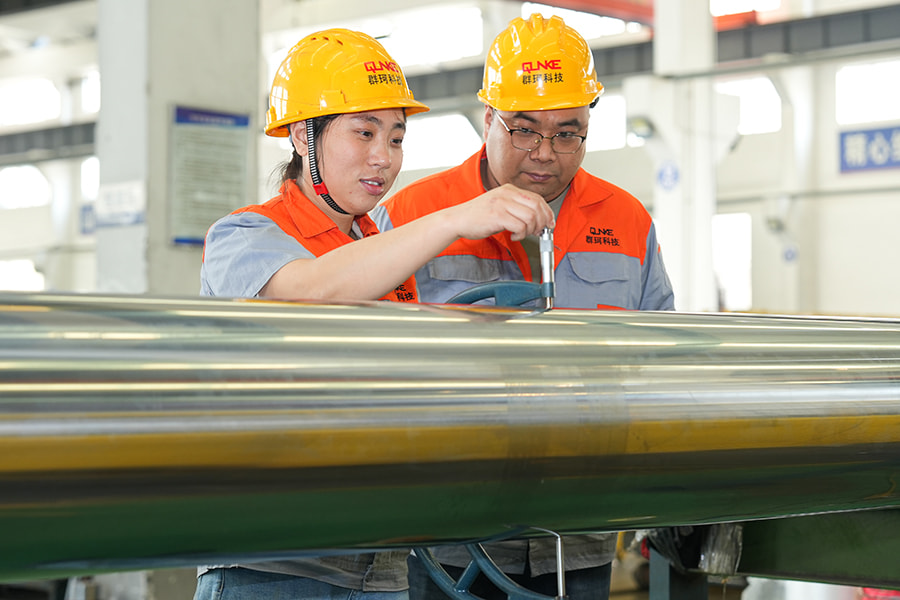
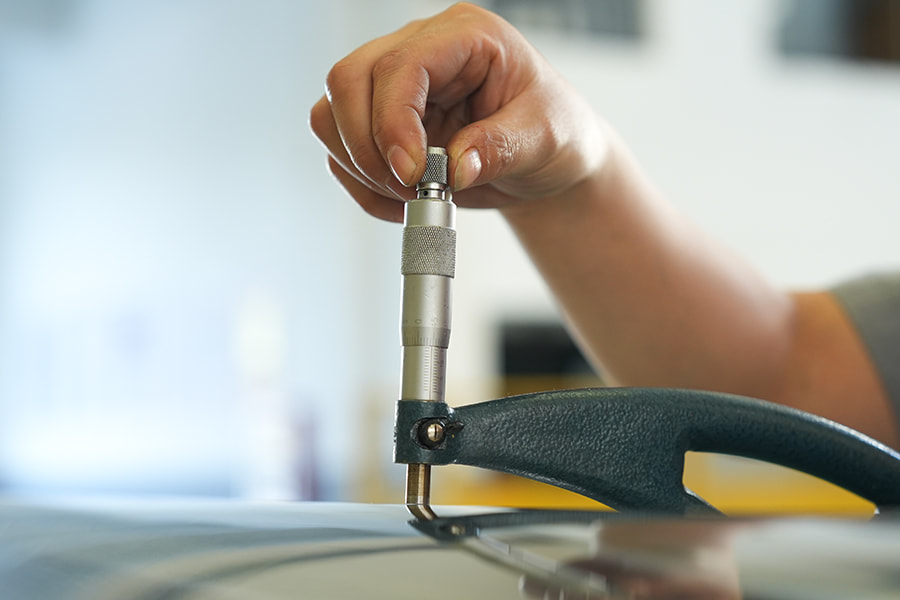
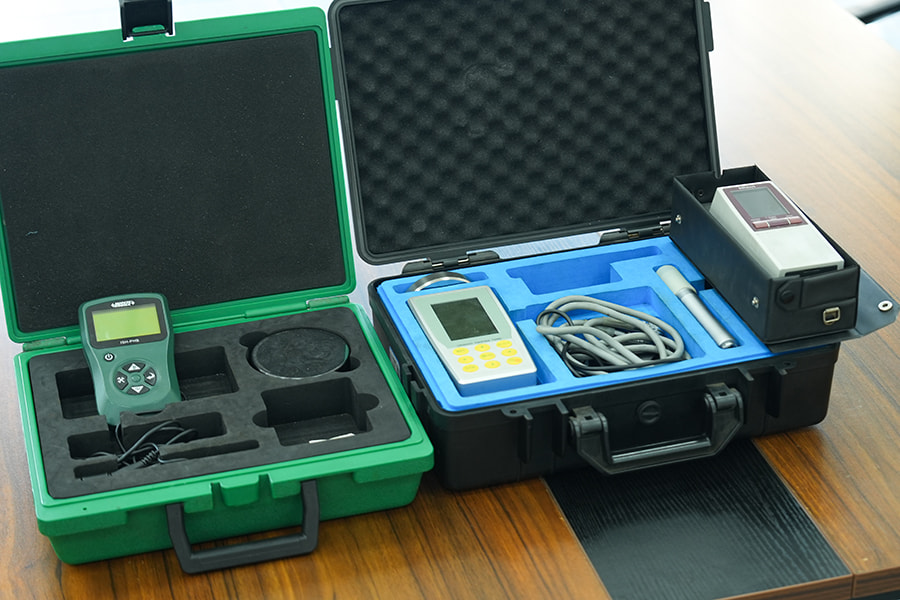
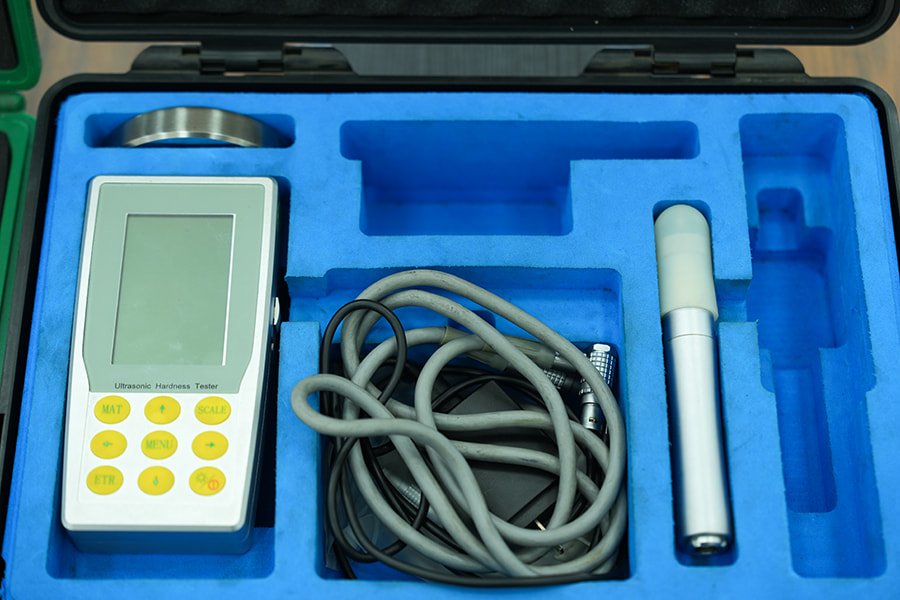
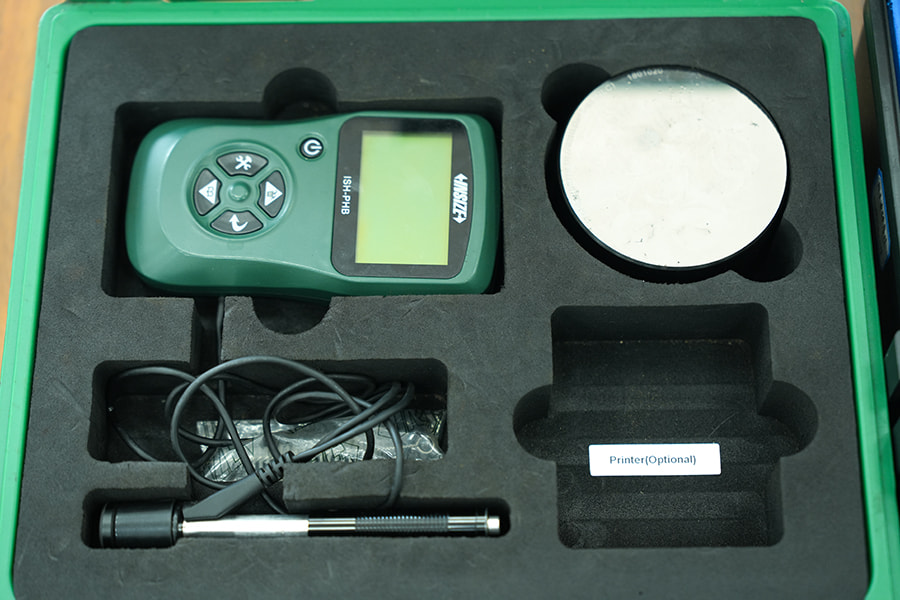
Consistency of coating depth across the full rod surface |
Matching Coating Choice to the Real Operating Environment
Selecting a coating for a piston rod isn't a one-size-fits-all decision, since different operating environments stress different failure modes. A coating that performs well in a dry, low-corrosion environment might not hold up in a marine or coastal application, and a coating optimized for corrosion resistance isn't necessarily the best choice for an abrasive, particle-heavy environment like mining or excavation.
- Standard hard chrome performs reliably in general industrial and construction machinery applications with moderate exposure
- Nickel-chrome or ceramic coatings tend to hold up better in marine, port, and coastal environments with high salt exposure
- HVOF-applied tungsten carbide coatings suit abrasive environments like mining and piling machinery where particle wear is the dominant concern
- Applications with combined corrosion and abrasion risk sometimes benefit from a layered or hybrid coating approach rather than a single coating type
Across the water conservancy, marine, and oil field projects we've supplied coated hydraulic piston rods for, matching the coating to the specific combination of moisture, abrasion, and load conditions has consistently made a bigger difference in service life than simply choosing the highest-rated coating available.

 English
 русский
 Deutsch