Wall Thickness Uniformity Determines Real-World Strength More Than Diameter Alone
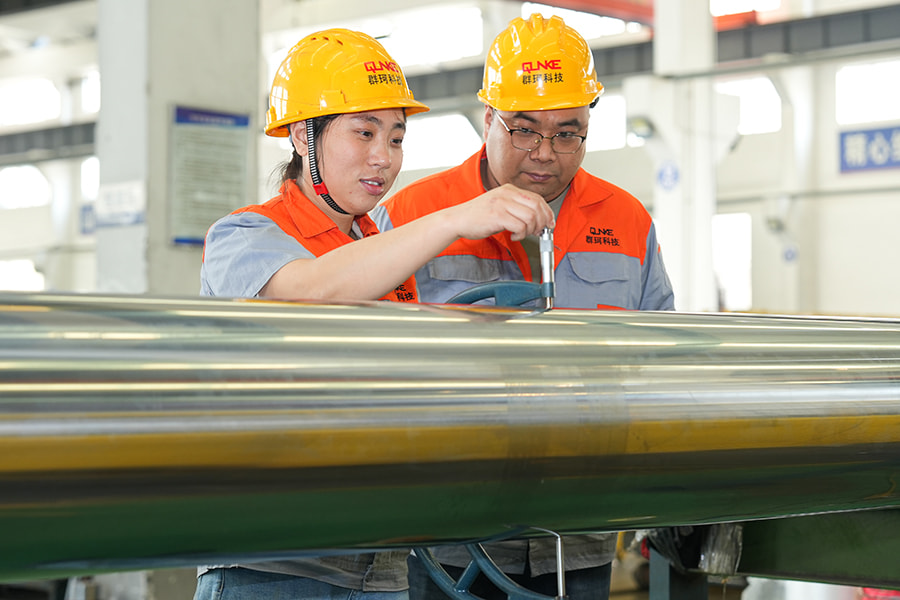
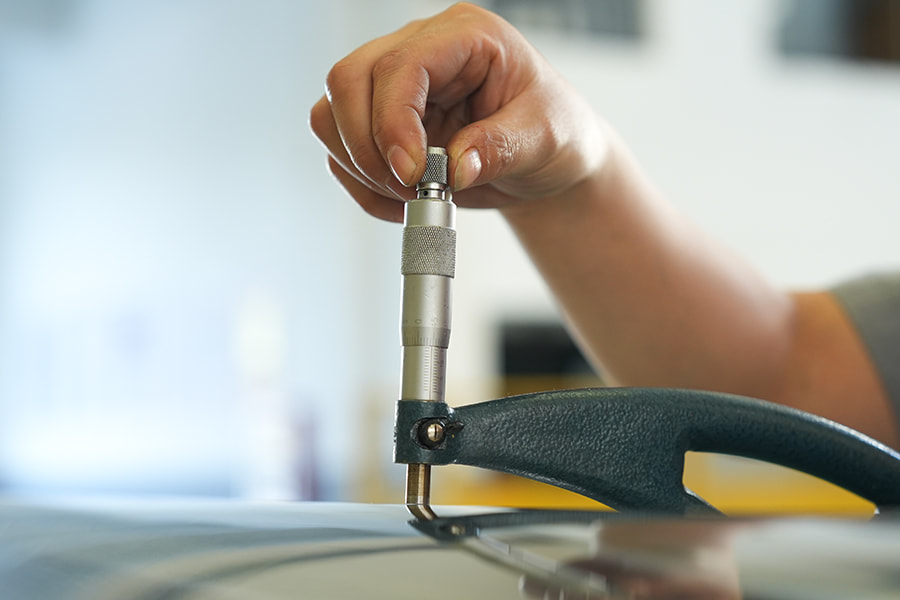
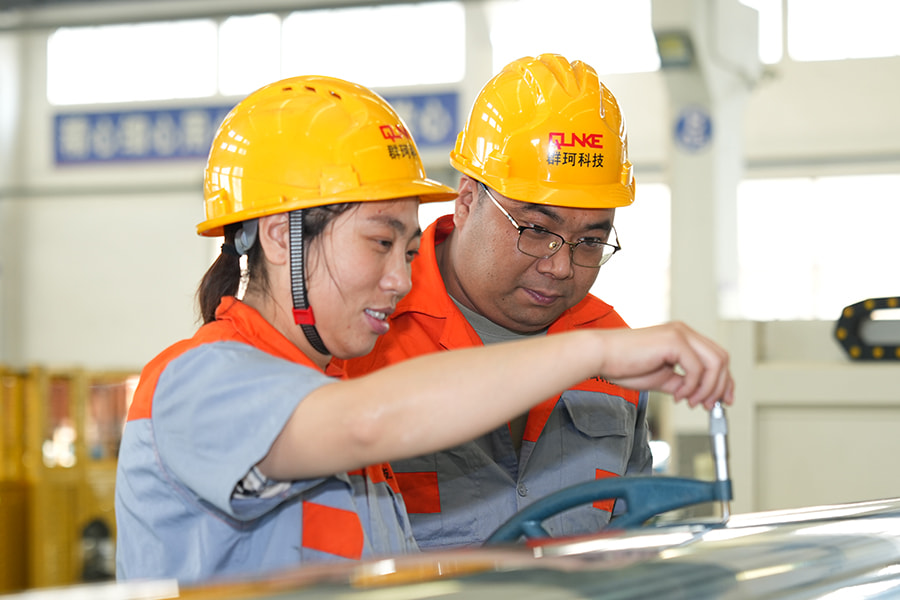
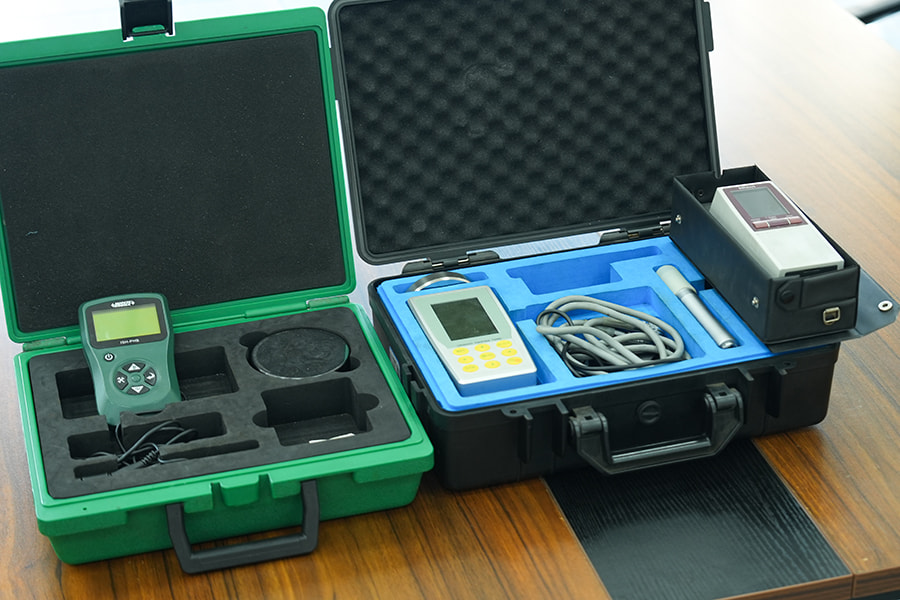
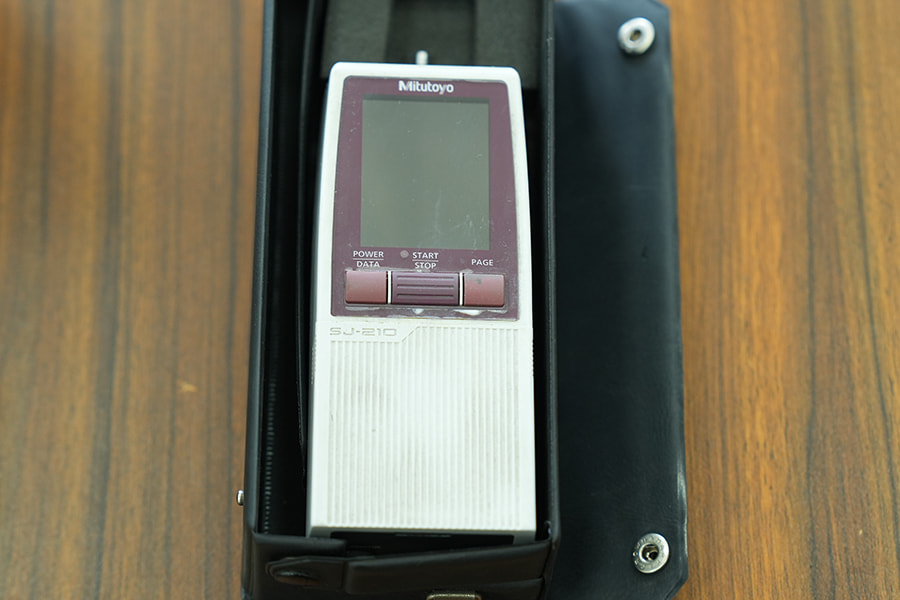
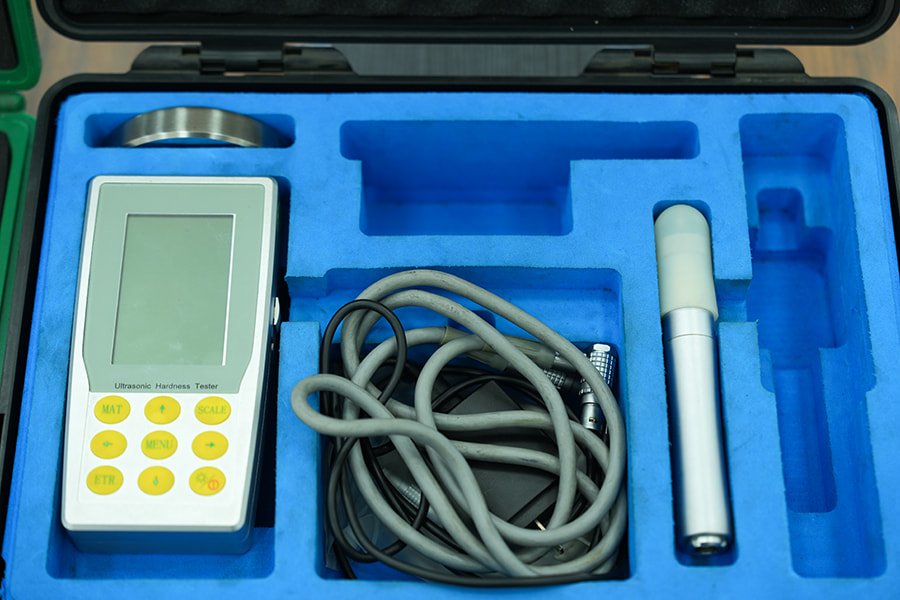
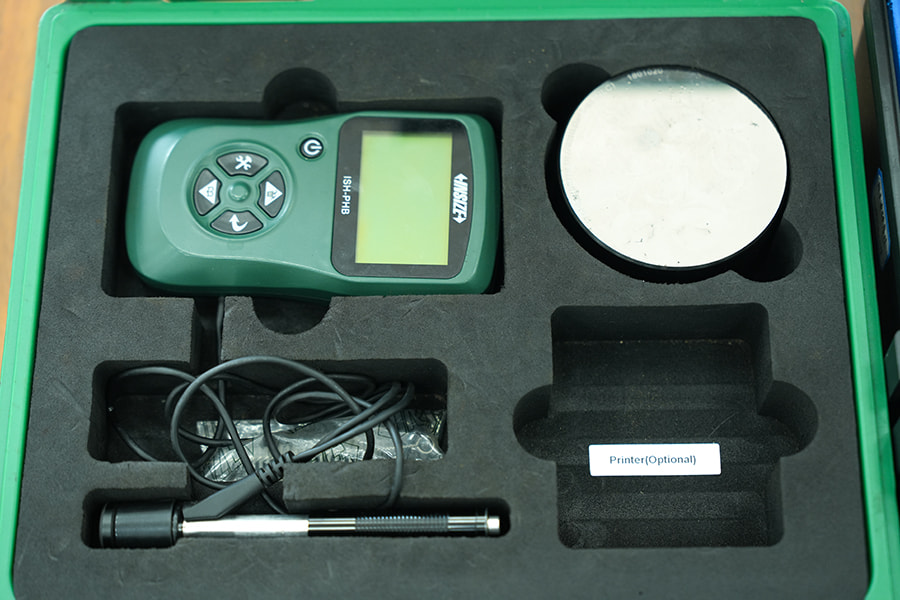
A hollow piston rod's strength isn't just a function of its outer diameter and bore size on paper — it depends heavily on how uniform the wall thickness stays around the full circumference and along the entire length. If the internal bore drifts even slightly off-center during machining, one side of the rod ends up with a thinner wall than the other, creating a weak point that behaves very differently under load than the nominal wall thickness would suggest. This kind of eccentricity is difficult to catch with a simple outer diameter measurement, which is why wall thickness verification typically requires ultrasonic thickness testing at multiple points along the rod rather than relying on visual or dimensional inspection of the exterior alone.
In practice, this means two hollow piston rods with identical outer and inner diameter specifications on a spec sheet can have meaningfully different real-world load capacity if one was produced with tighter concentricity control during drilling than the other.
Internal Bore Finish Matters as Much as the Outer Surface
Most quality discussions around piston rods focus on the outer surface finish, since that's what interacts with the seals. For a hydraulic cylinder hollow piston rod, though, the internal bore surface also needs attention, particularly in designs where the bore carries hydraulic fluid or serves as a passage for internal plumbing. A rough or inconsistent internal surface can create turbulence in fluid flow, contribute to internal corrosion over time, and in some designs, act as a stress riser that reduces fatigue life from the inside out rather than the outside in.
Honing as a Secondary Finishing Step
Many hollow rod applications include a honing pass on the internal bore after drilling, specifically to smooth out the tool marks left by the drilling process. This step is often skipped on lower-cost hollow rods, which is one reason why bore surface quality can vary significantly between suppliers even when the external specifications look identical.
Why Drilling Method Affects More Than Just the Hole
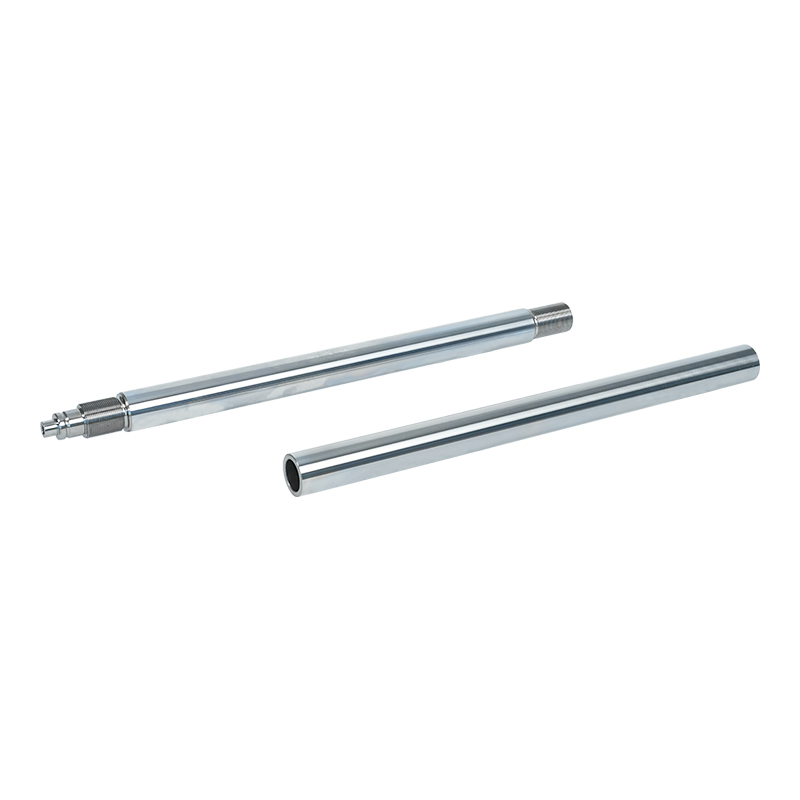
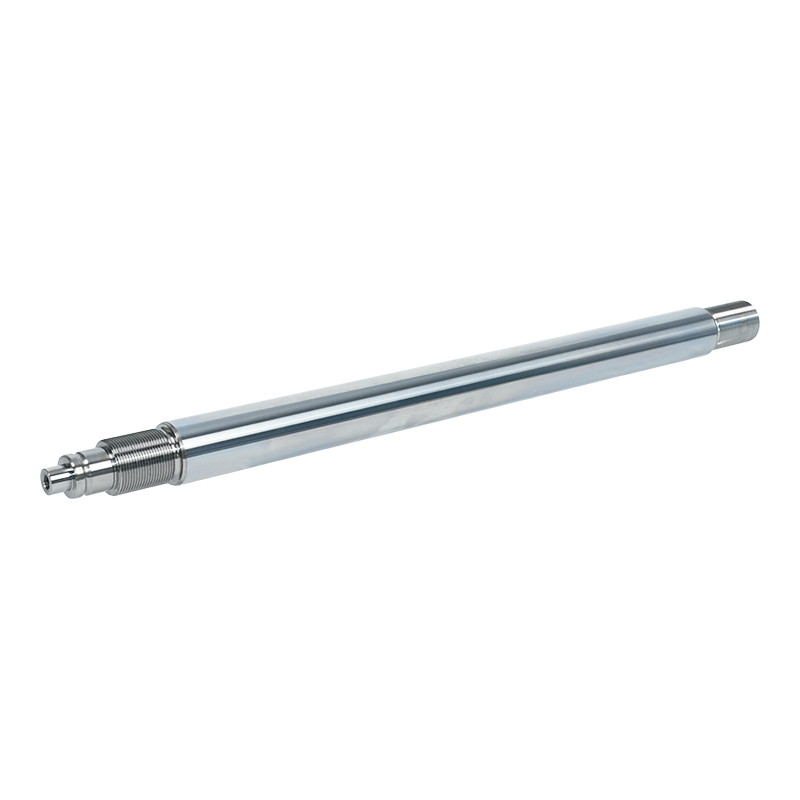
Creating the internal bore in a hollow piston rod is typically done through deep hole drilling or gun drilling, and the method used has downstream effects on the rod's overall straightness, not just the quality of the hole itself. Deep hole drilling generates significant heat and cutting force over a long, narrow path, and if the process isn't well controlled, the drill can wander slightly off-center as it progresses, which introduces both bore eccentricity and a tendency for the rod to develop a slight curve once the surrounding material redistributes internal stress.
- Gun drilling tends to produce straighter, more consistent bores over long lengths compared to standard deep hole drilling
- Coolant flow through the drill during the process helps control heat buildup and reduces the risk of drill wander
- Stress-relieving the rod after drilling helps stabilize its final straightness before the outer diameter is finish-machined
- Rods drilled in a single continuous pass generally show better concentricity than those drilled in multiple shorter stages
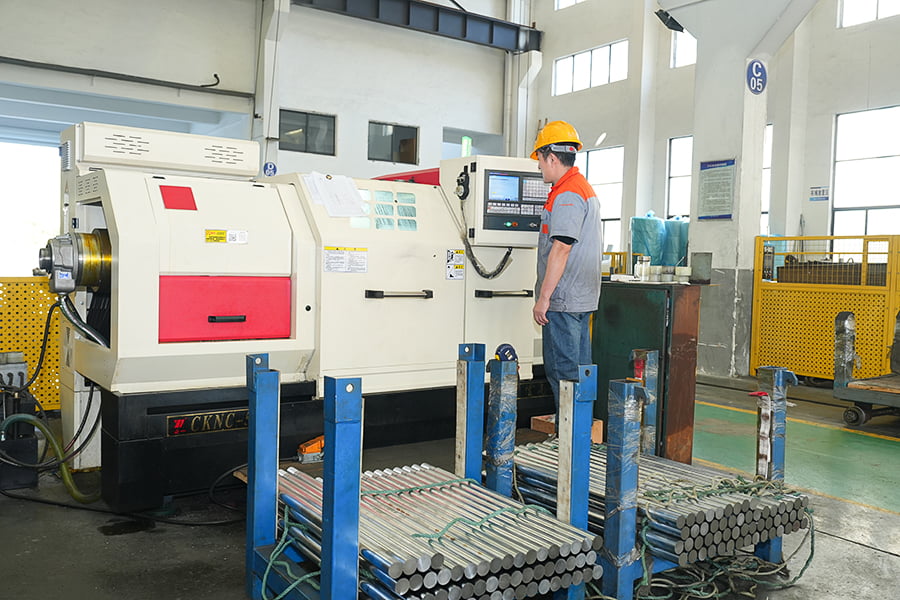
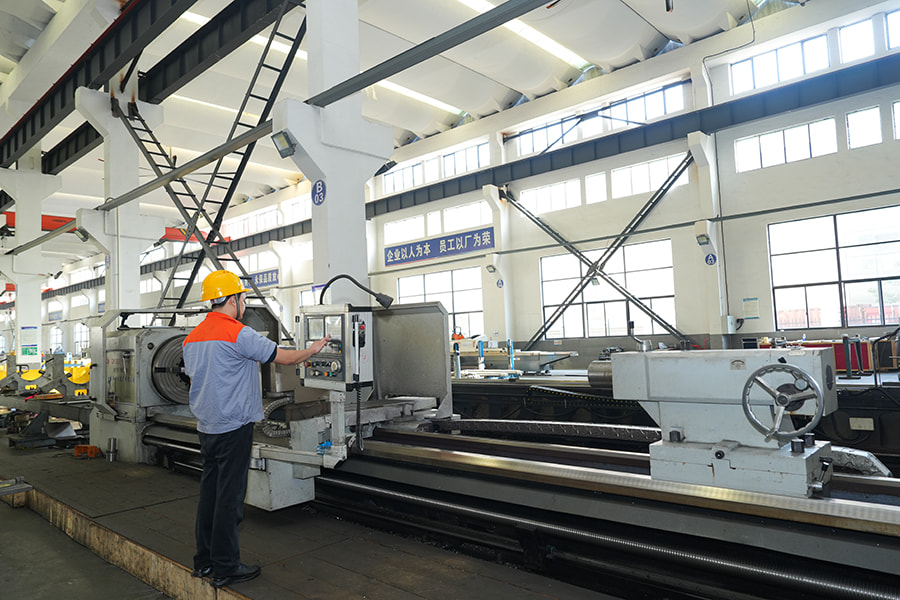
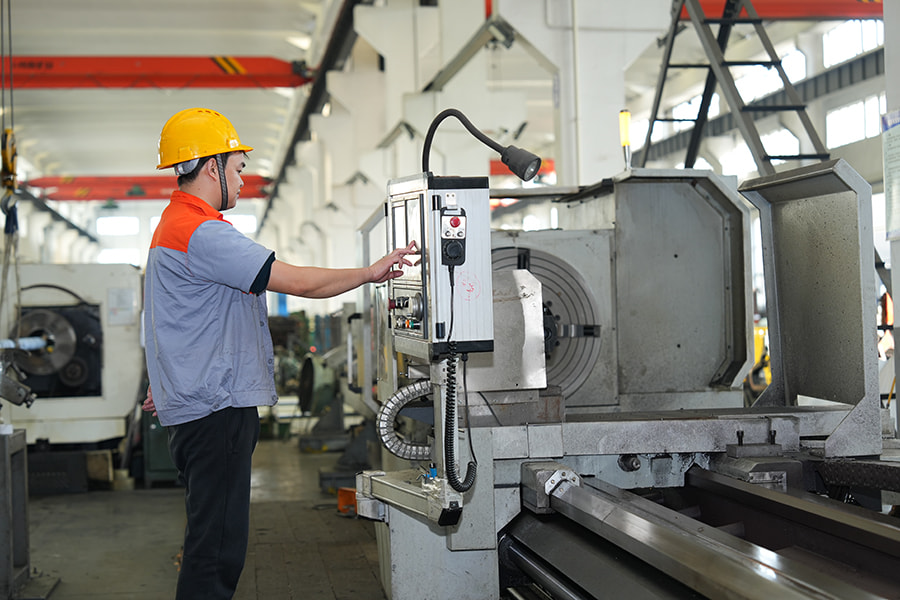
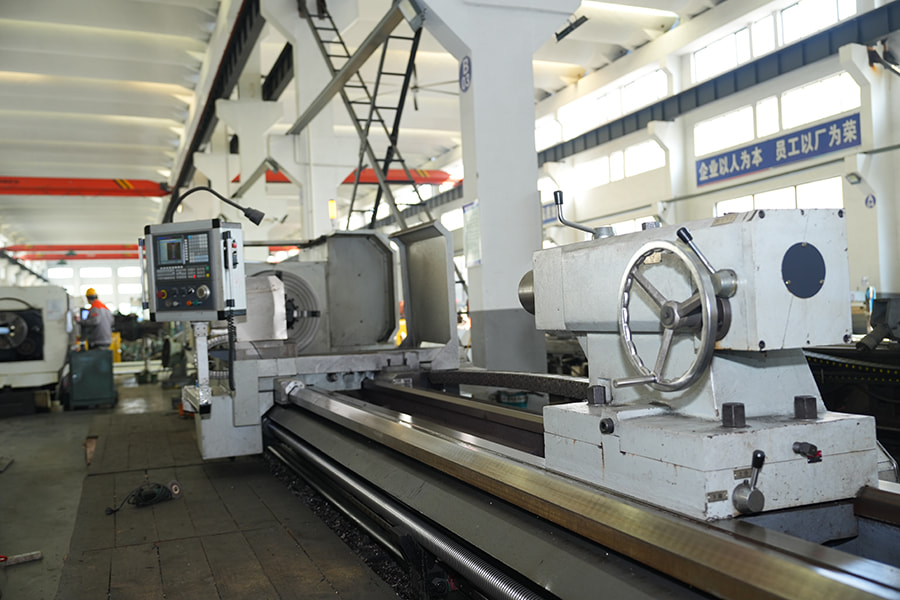
We rely on gun drilling with continuous coolant flow for our hollow rod production at our Wuxi facility, since bore straightness issues introduced at this stage are extremely difficult to correct later in the process.
The Internal Bore Can Do More Than Just Reduce Weight
Weight reduction is the most commonly cited reason for choosing a hollow piston rod, but the internal bore also opens up functional possibilities that a solid rod simply can't offer. In some cylinder designs, the bore is used as a dedicated passage for hydraulic fluid, allowing pressure to reach the far end of a long cylinder without requiring external plumbing routed alongside the cylinder body. This is particularly useful in space-constrained equipment where routing external hoses along the full length of a long-stroke cylinder isn't practical.
In other applications, the bore is used to house a secondary rod or sensor cable, such as a position-sensing rod used for stroke feedback in cylinders that require precise, continuous position monitoring rather than relying on external limit switches alone.
Buckling Behavior Requires a Different Support Strategy Than Solid Rods
Because a hollow piston rod distributes material toward the outer wall rather than filling the full cross-section, its resistance to buckling under compressive load doesn't scale the same way a solid rod's does as diameter increases. For a given outer diameter, a hollow rod will generally buckle at a lower compressive load than a solid rod, unless the outer diameter is increased to compensate for the removed material. This is an important consideration in long-stroke applications, where relying purely on the weight savings of a hollow design without adjusting diameter or adding intermediate support can leave the rod undersized for the actual side-load conditions it will face.
| Design Adjustment |
Effect on Buckling Resistance |
Trade-off |
| Increase outer diameter |
Improves resistance significantly |
Reduces weight savings from hollow design |
| Thicken bore wall |
Moderate improvement |
Slightly increases weight while keeping outer diameter fixed |
| Add intermediate guide support |
Reduces effective buckling length |
Adds mechanical complexity to the cylinder assembly |
Where a Hollow Piston Rod Solves Problems a Solid Rod Can't
Hollow rod designs tend to earn their place in applications where either weight or internal routing capability provides a real functional advantage, rather than being chosen purely as a lighter alternative to a solid rod. Long-stroke cylinders used in marine and port equipment often benefit from the reduced mass, since lighter moving components place less strain on supporting structures and reduce dynamic loading during operation. Oil field and mining equipment sometimes takes advantage of the internal bore for routing hydraulic fluid or instrumentation cabling through the rod itself, simplifying the overall system design.
- Long-stroke applications where reduced reciprocating mass improves dynamic performance
- Designs requiring internal fluid routing or cable passage through the rod itself
- Equipment where minimizing structural load from the cylinder's own weight is a priority
- Systems using internal position-sensing rods that require a housing passage within the piston rod
Across the hydraulic cylinder projects we've supported for marine, port, and mining equipment manufacturers, the decision to specify a hydraulic cylinder hollow piston rod has almost always come down to one of these functional needs rather than weight reduction being the only deciding factor.

 English
 русский
 Deutsch