2026-07-09
Content
If you work with hydraulic or pneumatic cylinders, you already know that the piston rod is one of the most critical components in the entire system. It's the part that transfers force from the piston to the external load, and it does this while being exposed to high pressures, constant motion, and often harsh environmental conditions. A solid piston rod – as opposed to a hollow or tubular rod – is a single, uninterrupted piece of metal that runs from the piston through the cylinder head to the outside world. In this guide, we'll cover what solid piston rods are, what materials they're made from, how they're manufactured, what specifications matter, and how to pick the right one for your application.
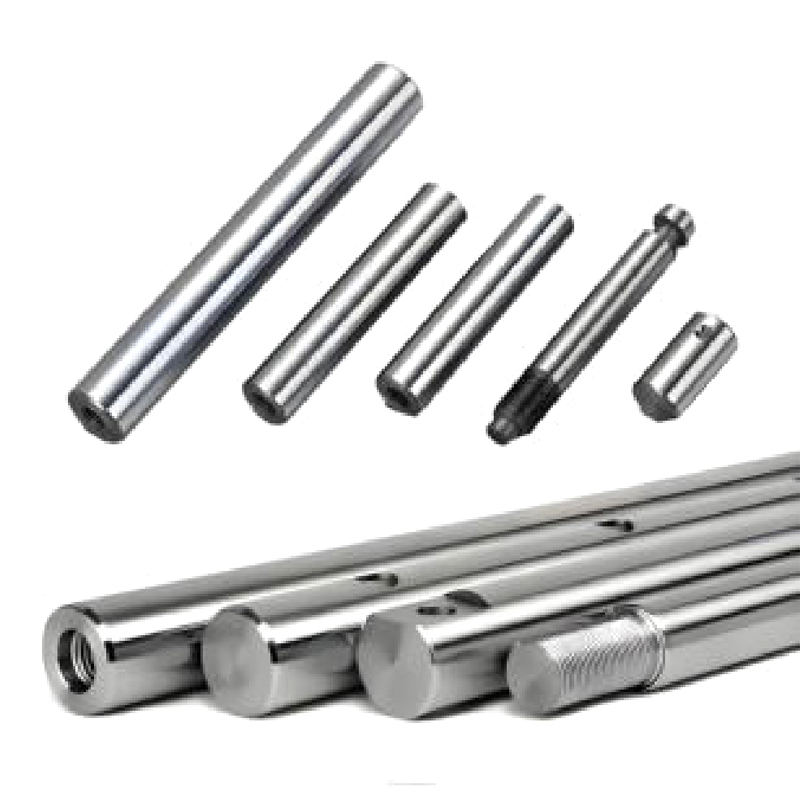
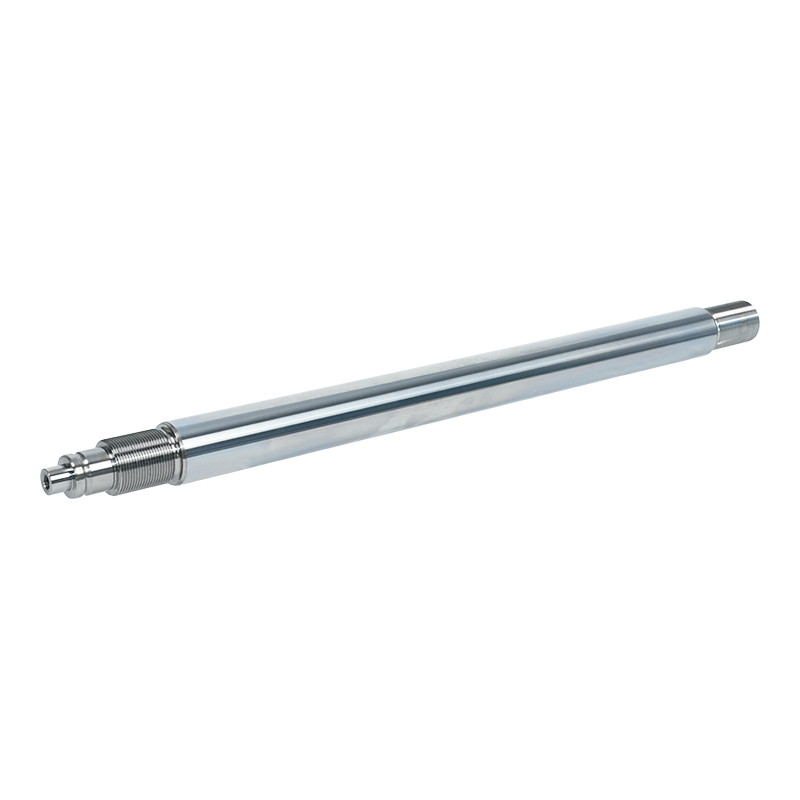
A solid piston rod is a cylindrical metal rod that connects the piston inside a cylinder to the external mechanism being driven. It's called "solid" because it's made from a single piece of material – typically high-strength steel – without any hollow core or internal passage. The rod extends through the cylinder head, where it's sealed by a gland to prevent fluid or gas from leaking out, and transfers the linear motion and force generated by the piston to the outside load.
The solid piston rod is subjected to significant mechanical stresses: tensile and compressive forces, bending moments, side loads, and fatigue from repeated cycling. It must also resist wear from the rod seal and corrosion from the operating environment. That's why choosing the right material, surface finish, and manufacturing process is absolutely critical for reliable operation.
The material you choose for your solid piston rod directly affects its strength, durability, and cost. Here are the most common materials used in the industry.
Medium carbon steel is the most widely used material for hydraulic piston rods. Grade C45 (DIN) or 1045 (AISI) is the standard choice. It offers a good balance of strength and toughness, with tensile strength typically around 600–700 MPa. When properly hardened and tempered, it provides excellent fatigue resistance at a reasonable cost. Most carbon steel rods are induction hardened and chrome plated to improve surface hardness and corrosion resistance.
For more demanding applications where higher tensile strength and better hardenability are required, alloy steels like 42CrMo4 (DIN) or 4140 (AISI) are used. These materials offer tensile strengths up to 1,000–1,200 MPa after proper heat treatment. They're commonly used in heavy machinery, mobile hydraulics, and applications where the rod must withstand high side loads or impact forces.
In corrosive environments – like marine applications, food processing, or chemical plants – stainless steel is the obvious choice. Solid piston rods made from 304 or 316 stainless offer excellent corrosion resistance at moderate strength levels. For higher strength, precipitation-hardening grades like 17-4 PH can achieve tensile strengths above 1,300 MPa while maintaining good corrosion resistance. The trade-off is significantly higher cost compared to carbon steel.
Some pneumatic piston rods and high-end hydraulic rods are made from nitrided steel. Nitriding is a surface hardening process that diffuses nitrogen into the surface layer, creating a hard, wear-resistant case without the need for separate chrome plating. Nitrided rods offer excellent wear resistance and fatigue strength, but the nitriding process adds to the cost.
The production of a high-quality solid piston rod involves several carefully controlled steps. Each step affects the final performance and longevity of the rod.
The process starts with selecting the appropriate steel grade and sourcing bar stock. The bar is usually hot-rolled or cold-drawn, depending on the required diameter and surface quality. Cold-drawn bars offer better dimensional accuracy and surface finish, which reduces subsequent machining time.
The bar stock is cut to the required length using a band saw or automatic sawing machine. A small machining allowance is left for subsequent turning and grinding operations.
The rod is turned on a CNC lathe to bring it close to the final diameter. This operation removes the scale from hot-rolled material and creates a uniform surface for subsequent operations. A threaded end may be machined at the external end for connection to the load.
Depending on the material and application, the rod may be quenched and tempered to achieve the desired mechanical properties. For carbon steel rods, induction hardening is often applied to the surface layer to increase wear resistance while maintaining a tough, ductile core.
After heat treatment, the rod is centerless ground to achieve the final diameter with tight tolerances – typically within ±0.02 mm or better. A fine surface finish of Ra 0.2–0.4 µm is achieved through subsequent polishing. This smooth finish is critical for seal life; a rough surface will quickly wear out the rod seal and cause leaks.
For chrome plated piston rods, a layer of hard chrome is electroplated onto the ground surface. The chrome layer provides excellent wear resistance, a low friction coefficient, and protection against corrosion. Typical chrome thickness is 20–50 µm, and the plating is often followed by a finishing operation (superfinishing or polishing) to achieve the final surface roughness.
The finished solid piston rod is inspected for dimensional accuracy, surface finish, and straightness. Hardness tests and, in some cases, non-destructive testing (like magnetic particle inspection) are performed to detect surface defects. The rods are then coated with a rust-preventive oil and packaged for shipment.
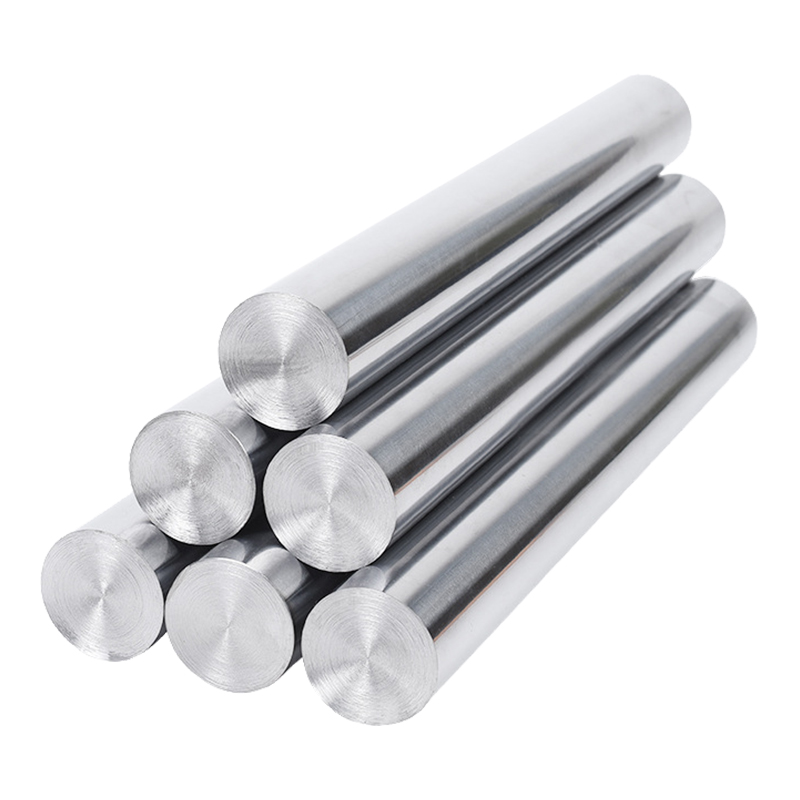
When specifying or purchasing a solid piston rod, several technical parameters are essential. Here's a breakdown of the most important ones.
| Specification | Typical Values | Why It Matters |
| Diameter Tolerance | ±0.01 – ±0.02 mm | Tight tolerance ensures proper seal fit and prevents leakage |
| Surface Roughness (Ra) | 0.2 – 0.4 µm | Smooth surface reduces seal wear and extends cylinder life |
| Chrome Thickness | 20 – 50 µm | Adequate chrome thickness ensures long-term wear and corrosion protection |
| Surface Hardness | 600 – 750 HV (after induction hardening) | Hard surface resists scoring and wear from seals and contaminants |
| Tensile Strength | 600 – 1,200 MPa (depends on material) | Determines the rod's load-bearing capacity and safety margin |
| Straightness | ≤ 0.3 mm per meter | A bent rod causes uneven seal wear and cylinder binding |
| Roundness | ≤ 0.02 mm | Out-of-round rods cause localized seal wear and leakage |
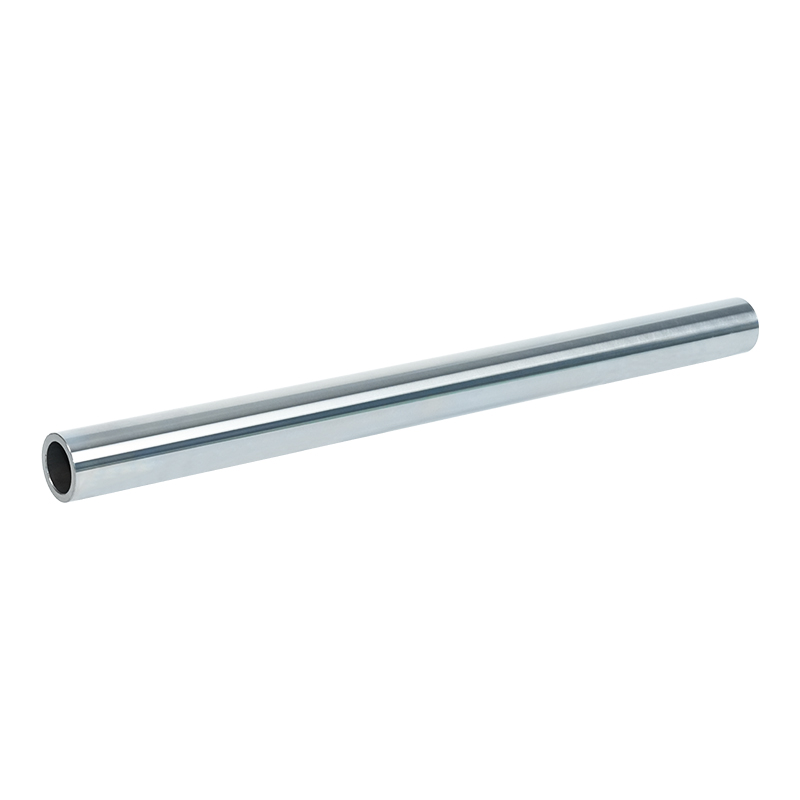
While solid piston rods are the most common, hollow rods are used in some applications. Here's how they compare.
| Feature | Solid Piston Rod | Hollow Piston Rod |
| Weight | Heavier (all solid material) | Lighter (hollow core saves weight) |
| Strength-to-Weight Ratio | Lower | Higher (better for aerospace, mobile applications) |
| Buckling Resistance | Higher (solid cross-section resists buckling better) | Lower (thin wall is more susceptible to buckling under compression) |
| Manufacturing Cost | Lower (simpler to produce) | Higher (requires drilling/trepanning, more complex machining) |
| Common Applications | General hydraulics, pneumatics, heavy machinery | Aerospace, mobile equipment, weight-sensitive applications |
For most industrial applications, solid piston rods are the default choice because of their simplicity, strength, and cost-effectiveness. Hollow rods are only worth considering when weight reduction is a critical priority.
Solid piston rods are found in a wide variety of industries and equipment. Here are some of the most common applications.
This is the largest application by far. In hydraulic systems – from excavators and cranes to presses and injection molding machines – the hydraulic piston rod transfers the hydraulic pressure into linear force. These rods must handle high pressures (up to 350 bar or more) and often operate in harsh outdoor environments.
In pneumatic systems used in factories and automation equipment, solid piston rods are standard. The lower pressures (typically 6–10 bar) allow for lighter-duty rods, but the high cycle rates (up to several cycles per second) demand excellent surface finish and wear resistance to maintain seal life.
Equipment like excavator arms, bulldozer blades, and rock breakers use heavy-duty solid piston rods. These applications impose extreme loads, shock forces, and abrasive environments. Rods in this sector are typically made from alloy steel, induction hardened, and heavily chrome plated.
Tractors, harvesters, and sprayers all use hydraulic cylinders with solid piston rods. These rods need to resist corrosion from fertilizers and chemicals, making stainless steel or heavily protected carbon steel the materials of choice.
Forklifts, aerial work platforms, and material handling equipment rely on solid piston rods in their lifting cylinders. Weight is a factor here, so some manufacturers use hollow rods, but solid rods remain common because of their superior buckling resistance.
Car production lines use thousands of pneumatic and hydraulic cylinders. Solid piston rods in these applications are typically smaller in diameter and precision-machined for high-speed, high-cycle operation.
Induction hardening is a heat treatment process commonly applied to hydraulic piston rods. Here's why it's so important.
Induction hardening selectively hardens only the surface layer of the rod – typically to a depth of 1–3 mm – while leaving the core in a tough, ductile condition. The surface hardness reaches 600–750 HV, which greatly improves wear resistance against the rod seal and any abrasive particles that might be present. The hardened layer also provides a stronger foundation for the chrome plating, preventing the chrome from "eggshelling" or flaking off under heavy loads.
The induction hardening process is fast and highly controllable, making it well-suited for high-volume production. After hardening, the rod is ground to remove any distortion and achieve the final diameter tolerance.
The overwhelming majority of hydraulic piston rods are hard chrome plated. Chrome plating provides a hard, low-friction surface that dramatically reduces wear on both the rod and the rod seal. It also provides excellent corrosion resistance.
Typical hard chrome thickness for piston rods is 20 to 50 µm. Thicker chrome is not necessarily better – beyond a certain point, the chrome layer becomes brittle and can crack under stress. The plating process must be carefully controlled to ensure uniform thickness, good adhesion, and minimal porosity.
For particularly harsh environments – like saltwater exposure or highly acidic conditions – alternatives to chrome plating exist. Nickel-chrome plating or electroless nickel plating can provide superior corrosion resistance, though at a higher cost. For food-grade applications, some manufacturers use proprietary ceramic coatings or specialized stainless steel rods.
Even the best solid piston rod won't last long if it's not properly maintained. Here's what you should do to extend the life of your cylinder rods.
Inspect the rod surface regularly for signs of scoring, pitting, or corrosion. Even minor scratches can lead to seal leakage. If you notice damage, investigate the cause – it could be contamination in the cylinder, misalignment, or inadequate wiper seal performance.
The external part of the rod is exposed to the environment. Wipe it clean before retracting it into the cylinder. This prevents dirt, grit, and moisture from being pulled past the wiper seal and into the cylinder, where they can damage the rod and seals.
The wiper seal (or scraper seal) is the first line of defense against contamination. If you notice the rod coming back dirty or with a film of oil on it, the wiper seal may be worn and need replacing.
Hydraulic cylinders are typically lubricated by the hydraulic fluid itself. But in pneumatic cylinders, or in applications where the cylinder is used infrequently, you may need to apply a light coat of appropriate oil to the exposed rod to prevent corrosion. Be careful not to overdo it – excessive oil can attract dirt.
One of the most common causes of premature rod failure is side loading – when the cylinder is misaligned with the load. This causes the rod to bend or wear unevenly, which quickly destroys the rod and seals. Always check cylinder alignment during installation and make adjustments if necessary.
Choosing the right supplier for your solid piston rod is just as important as choosing the right specifications. Here are some factors to consider.
A solid piston rod may seem like a simple component, but it's one of the most critical parts of any hydraulic or pneumatic system. Getting the material, manufacturing process, and specifications right can mean the difference between years of trouble-free operation and frequent, costly downtime.
When selecting a solid piston rod, don't cut corners. Choose the right material for your environment, specify appropriate hardness and chrome thickness, and work with a supplier who can provide the necessary quality documentation. And once the rod is in service, maintain it properly – keep it clean, monitor for wear, and address any issues before they become major problems.
With the right choices and proper care, a high-quality solid piston rod will deliver reliable performance for years, keeping your equipment running smoothly and your production lines moving.

Contact Us
+86-137-0618-5800
No. 3 Dujuan West Road, Hudai Town, Binhu District, Wuxi City, Jiangsu Province
Get in Touch
Mobile

 English
 русский
 Deutsch