2026-07-16
Content
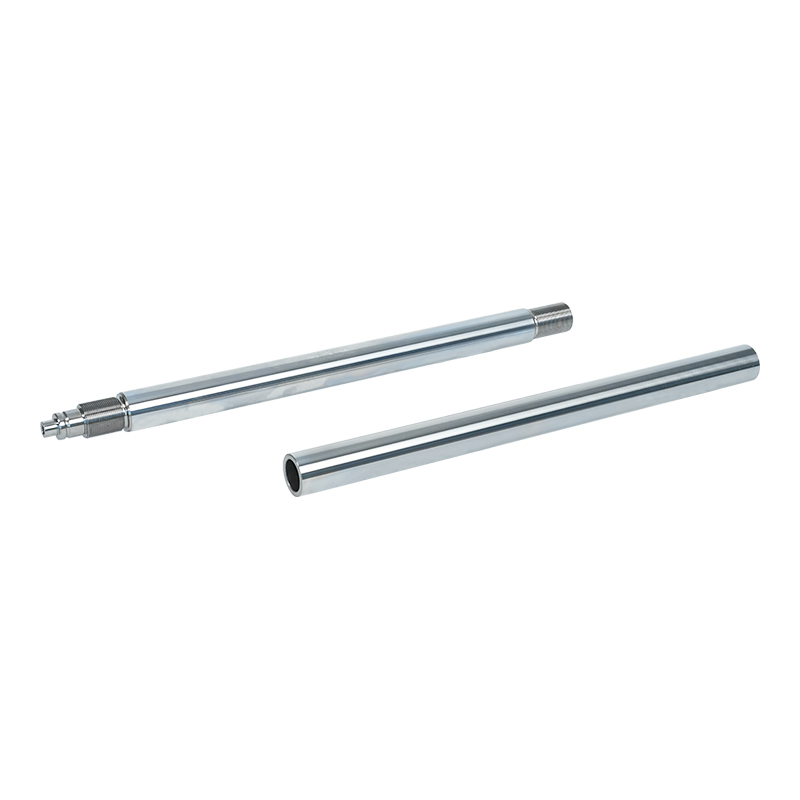
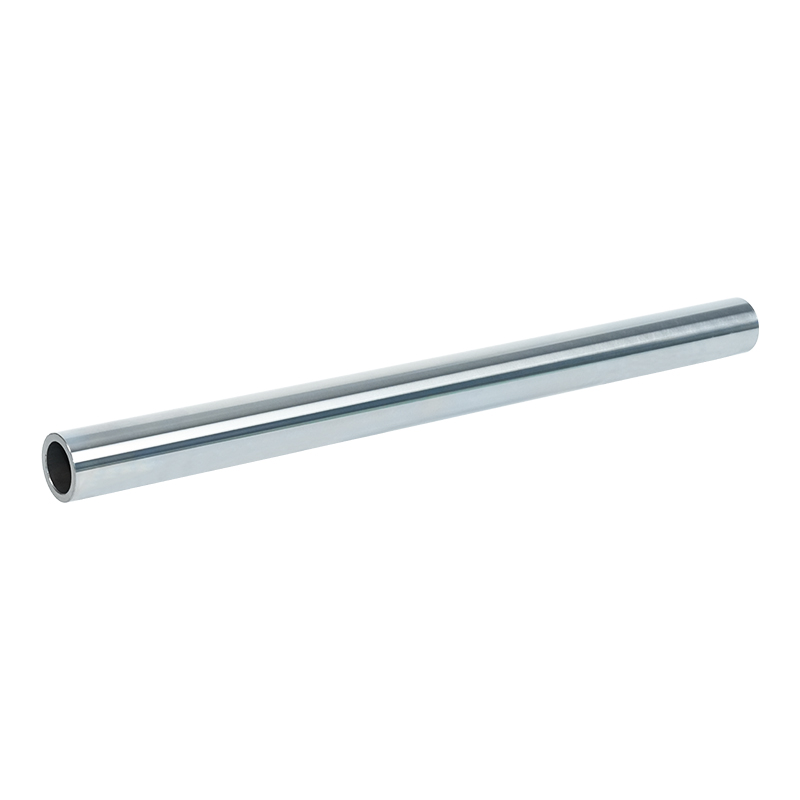
A hollow piston rod is a cylindrical rod with a bored-out center, used in hydraulic and pneumatic cylinders instead of a traditional solid rod. The hollow core reduces overall weight while still maintaining strength, making it a popular choice in applications where weight savings, thermal management, or internal routing of hoses, cables, or sensors is necessary. Despite the removal of material from the core, a properly engineered hollow piston rod can still handle significant loads because the outer wall thickness is calculated to provide the necessary strength and buckling resistance.
These rods are commonly found in mobile equipment, aerospace actuators, telescopic cylinders, and specialized industrial machinery where reducing mass matters just as much as maintaining structural integrity. Some designs even use the hollow center to run coolant or lubrication lines directly through the rod itself, adding functionality that a solid rod simply cannot provide.
Switching from a solid rod to a hollow piston rod offers several practical advantages, especially in applications where every pound of weight or every degree of thermal control matters.
Hollow piston rods show up in a variety of industries where lightweight strength and internal routing capabilities provide a clear advantage over solid rod designs.
| Industry | Common Use |
| Aerospace | Landing gear actuators and flight control cylinders |
| Mobile Equipment | Telescopic cylinders for dump trucks and cranes |
| Marine | Steering and stabilizer cylinders |
| Industrial Machinery | Press cylinders requiring internal cooling lines |
| Oil and Gas | Wellhead actuators and downhole tools |
In each of these settings, the specific advantages of a hollow rod—whether weight savings, internal routing, or thermal control—address a challenge that a solid rod design would struggle to solve efficiently.
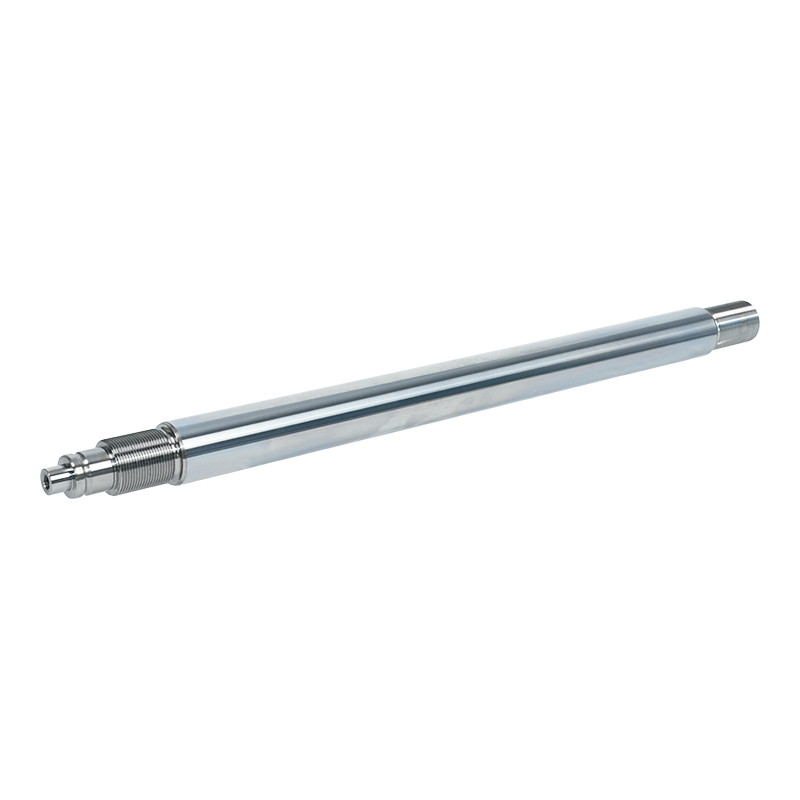
The material selected for a hollow piston rod directly affects its strength, corrosion resistance, and lifespan under repeated cyclic loading.
This is the most common material choice, offering a hard, wear-resistant surface with good corrosion protection for standard industrial and mobile hydraulic applications.
Stainless steel hollow rods are chosen for marine, food processing, and chemical environments where corrosion resistance is a higher priority than raw strength.
Aluminum hollow rods offer maximum weight savings and are often used in aerospace or other applications where reducing mass is the top priority.
Designing a hollow piston rod requires careful calculation of wall thickness to ensure it can handle the expected load without buckling or deflecting under pressure. Engineers typically start with the required load capacity and stroke length, then calculate the minimum outer diameter and wall thickness needed to prevent Euler buckling, which becomes a bigger concern with longer, thinner rods.
It's also important to account for the specific loading conditions, including whether the rod will experience side loading or purely axial force. Rods subjected to side loads generally need thicker walls or larger diameters to maintain the same safety margin as a rod under pure axial compression.
Proper handling during installation helps preserve the surface finish and structural integrity of a hollow piston rod. Because the chrome or polished surface is critical to seal performance, rods should always be handled with clean gloves and protective sleeves to avoid scratches or corrosion from skin contact.
During installation, make sure the rod is properly aligned with the cylinder bore to avoid side loading that could damage seals or accelerate wear on the rod's surface. If the hollow core is used for routing hoses or cables, double-check that these internal components are properly secured and won't rub against the inner wall during operation.
Routine inspection helps catch early signs of wear before they lead to cylinder failure. Regularly check the rod surface for pitting, scoring, or chrome flaking, since any surface damage can quickly wear down seals and lead to hydraulic fluid leaks.
If the hollow core is used to route fluid or cables, periodically inspect these internal pathways for signs of wear, blockage, or corrosion. Keeping a consistent maintenance schedule extends the service life of the rod and helps avoid unplanned downtime in critical equipment.
A few recurring mistakes can shorten the service life of a hollow piston rod or lead to premature cylinder failure. Being aware of these issues helps you get the most out of your equipment.
Avoiding these mistakes ensures your hollow piston rod continues to perform reliably, whether it's supporting a mobile hydraulic system or a precision aerospace actuator.

Contact Us
+86-137-0618-5800
No. 3 Dujuan West Road, Hudai Town, Binhu District, Wuxi City, Jiangsu Province
Get in Touch
Mobile

 English
 русский
 Deutsch