2026-10-09
Content
A coated piston rod is one of those components that quietly decides how long a hydraulic cylinder lasts. It is the only moving surface a cylinder exposes to the outside world, and every stone chip, scratch, salt deposit or rust pit that lands on it eventually travels back under the seal and into the oil. Long before a cylinder fails in the field, the rod surface has usually been telling the story.
Wuxi Qunke Machinery has been building hydraulic cylinders, pneumatic cylinders and precision piston rods since 2008, and coating work has been part of the daily routine for most of that time. What follows is a practical walk-through: what a coating really does on a rod, which surface treatments suit which working conditions, and how the choice interacts with seals, fluid and maintenance.
Mechanically, a piston rod transfers load from the piston out through the cylinder head. Two different areas of the same part do two completely different jobs. Under the seal, the rod is a sliding surface, and its diameter tolerance, roundness and roughness decide whether the seal keeps pressure for years or starts weeping after a few thousand cycles. Outside the cylinder, the very same rod is an exposed structural surface that faces rain, dust, gravel, salt and wash-down chemicals.
A coating is how those two jobs are separated. The base steel supplies strength and stiffness, while the coating supplies hardness, low friction and corrosion protection exactly where the damage happens.
Carbon steels such as 1045 and 4140 are the workhorses of rod production, but uncoated they rust quickly in humid or coastal air. Once rust begins, the pits turn into abrasive edges that shave material off the seal lip, and the leakage starts long before anything looks obviously broken. Even before pitting appears, dry friction between bare steel and a polyurethane or NBR seal raises local temperature and accelerates wear.
Stainless steel solves the corrosion side but brings its own problems: it is relatively soft, prone to galling, and expensive at large diameters. For most hydraulic and pneumatic rods, the practical answer is therefore a coated carbon or alloy steel, with the coating chosen for the environment the machine actually works in.
Coating names can be confusing because some of them describe a family rather than a single recipe. In practice, the routes that appear most often on piston rods fall into four groups: electroplated chrome, composite electroplated layers, thermally applied layers such as ceramic and laser cladding, and diffusion treatments such as QPQ.
Hard chrome remains the default for general hydraulic service, and for good reason. The electroplated layer is typically 20 to 50 microns thick, reaches roughly 800 to 1000 HV, and offers a very low friction coefficient against common seal compounds. That combination keeps seal temperatures down and resists the small abrasive particles that get past wipers.
Its weakness is porosity and micro-cracking. In a well-lubricated indoor machine this rarely matters, but in coastal or chemical environments corrosion can creep through those fine cracks and lift the layer from underneath. That is why composite layers exist.
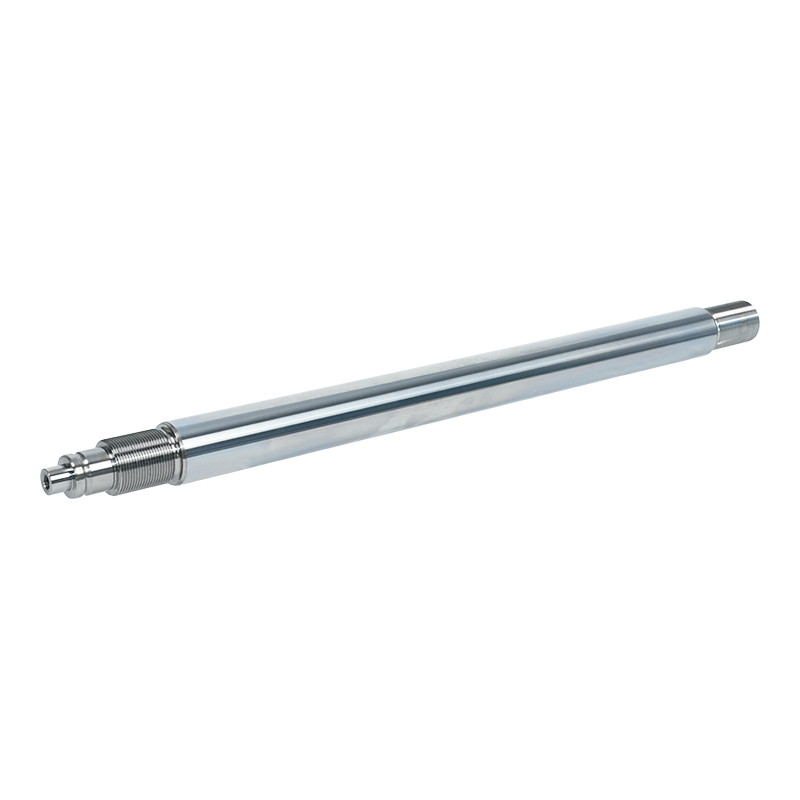
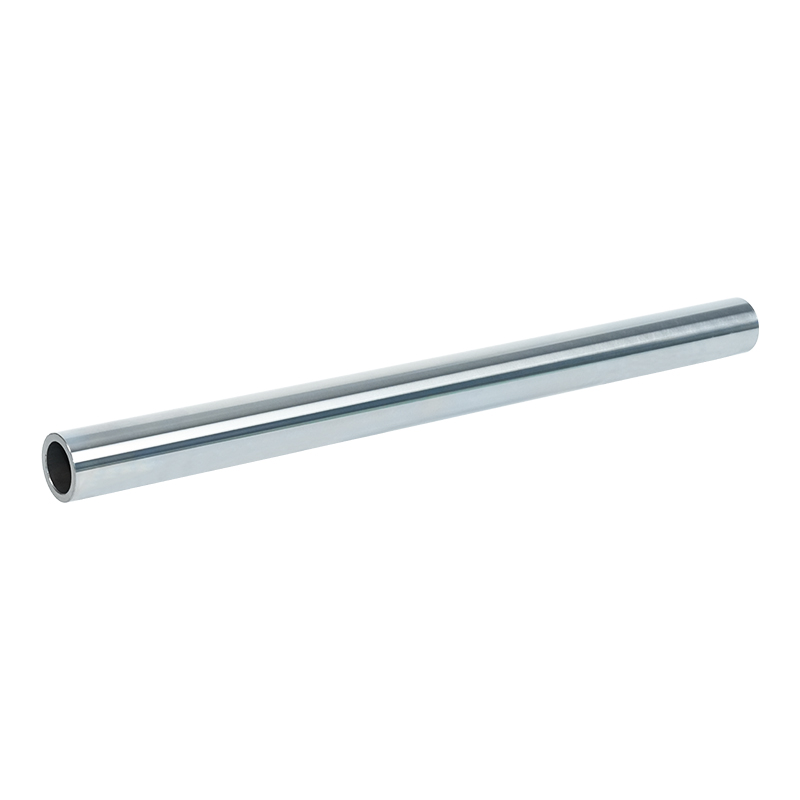 Hard Chrome Plated Hydraulic Cylinder Piston RodElectroplated chromium-coated piston rod for hydraulic cylinders, available in steel and stainless grades, with controlled thickness and custom machining.View Product →
A composite route puts a softer, more corrosion-resistant layer underneath and a hard chrome layer on top. Milky-white chrome as the base layer with hard chrome over it is a familiar pairing, and nickel followed by hard chromium works on the same principle: the barrier layer blocks moisture and chemicals, while the outer layer takes the wear. Both need extra plating steps, longer lead times and tighter bath control, so they are usually reserved for equipment that genuinely lives outdoors or near salt water.
Quench-polish-quench is a diffusion treatment rather than a deposited layer: the surface is nitrided in a salt bath, polished, and then oxidized. Because nothing is added on top, there is no layer that can flake away, and dimensional change is minimal, which makes QPQ attractive for thin rods and parts held to tight tolerances. The case is shallow, however, typically tens of microns, so it is not a remedy for deep gouging or heavy abrasion.
The table below summarises how these routes compare in everyday production terms. The figures are typical ranges rather than fixed specifications, since layer thickness is normally agreed per project.
| Coating route | Typical layer | Main strength | Best fit | Points to watch |
|---|---|---|---|---|
| Hard chrome plating | 20-50 µm | Wear resistance with low friction | General hydraulic and pneumatic cylinders in moderate conditions | Pores and micro-cracks can allow corrosion to start underneath |
| Milky-white chrome plus hard chrome | Two layers, 30-60 µm total | Corrosion protection combined with a hard outer surface | Humid, coastal and mobile equipment | More process steps and tighter bath control |
| Nickel plus hard chromium | Two layers, 30-70 µm total | Strong barrier against chemicals and salt | Marine, chemical and mining duty | Nickel bath chemistry must be monitored closely |
| Ceramic (plasma spray) | 100-300 µm | Abrasion and high temperature resistance | Aggressive abrasion and hot working conditions | Needs diamond grinding; check seal compound compatibility |
| Laser cladding | 0.3-2 mm before machining | Thick, metallurgically bonded wear layer | Mining, dredging, marine and rod refurbishment | Higher cost per part and extra machining allowance |
| QPQ treatment | Diffusion case, 10-30 µm | Wear and corrosion resistance with almost no distortion | Thin rods and parts held to tight tolerances | Limited case depth; not a cure for deep gouging |
The environment usually answers the coating question faster than any catalogue does. If salt, acid or process chemicals are present, the decision is corrosion-led and the barrier layers move to the front. If sand, ore or slag is present, the decision is abrasion-led and hardness plus layer thickness matter more.
Where abrasion and heat arrive together, ceramic coatings earn their place. A plasma-sprayed alumina-titania layer of a few hundred microns is harder than chrome and tolerates higher surface temperatures, which is why it appears on cylinders working near furnaces or handling hot material. It does need diamond grinding afterwards to reach a seal-friendly finish, and some seal compounds should be reviewed before committing.
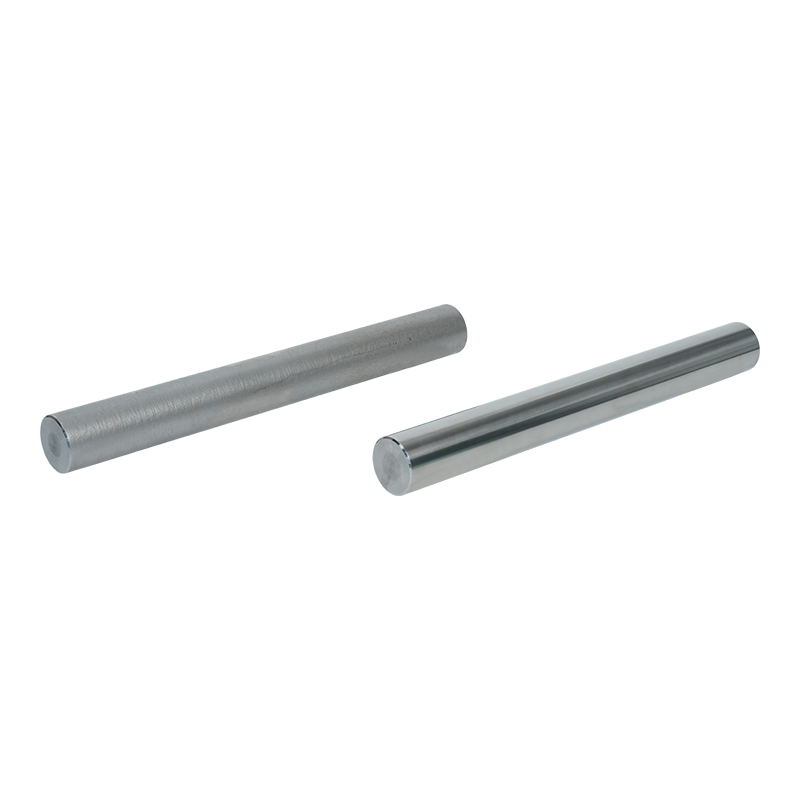
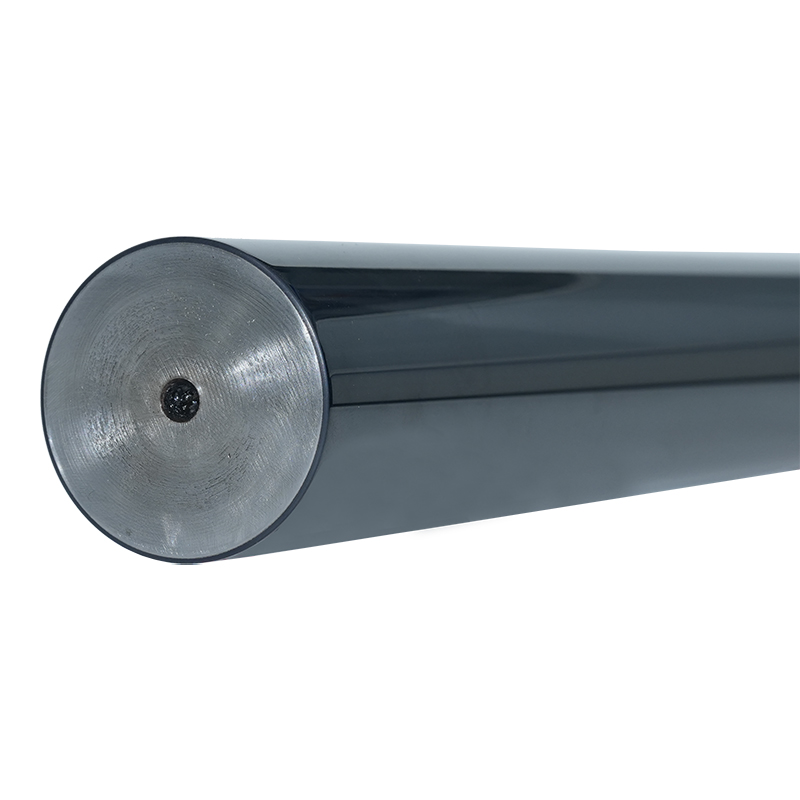 Ceramic Coated Hydraulic Cylinder Piston RodPlasma-sprayed ceramic coating for hydraulic piston rods, offered in silicon nitride, alumina/silicon carbide, and nano-ceramic options for wear and corrosion resistance.View Product →
A coating is never judged on hardness alone. Roughness under the seal is what the seal actually feels, so a hard but rough surface can wear a seal out faster than a softer, smoother one. Chrome is naturally smooth and forgiving; ceramic and laser-clad surfaces must be ground and polished back to a controlled Ra before assembly. Grinding direction matters too, since spiral marks can act as tiny pumping channels.
Two production details are easy to overlook. First, high-strength steels should be baked after plating to reduce the risk of hydrogen embrittlement. Second, layer thickness changes the finished diameter, so the grinding allowance has to be planned from the start rather than corrected at the end of the line.
Our coated rods and rod assemblies end up in water conservancy equipment, metallurgy, construction machinery, ship and port equipment, oilfield gear, mining machinery, piling rigs and excavators. The pattern is consistent: the harsher the environment and the longer the maintenance interval, the more the specification moves from single-layer chrome toward composite, ceramic or laser-clad surfaces.
Laser cladding is the route we recommend when the wear is genuinely severe or when an expensive rod is worth rescuing rather than replacing. Because the layer is metallurgically bonded to the base metal and can be built up to a millimetre or more, it survives impact and coarse abrasion that would strip a thin electroplated layer, and it also gives worn rods a second service life.
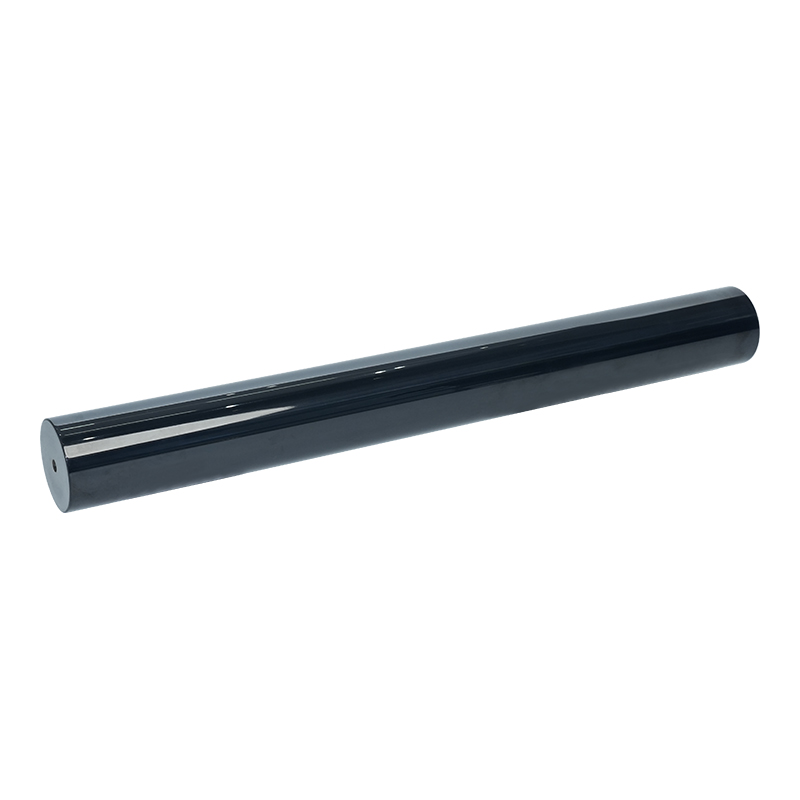
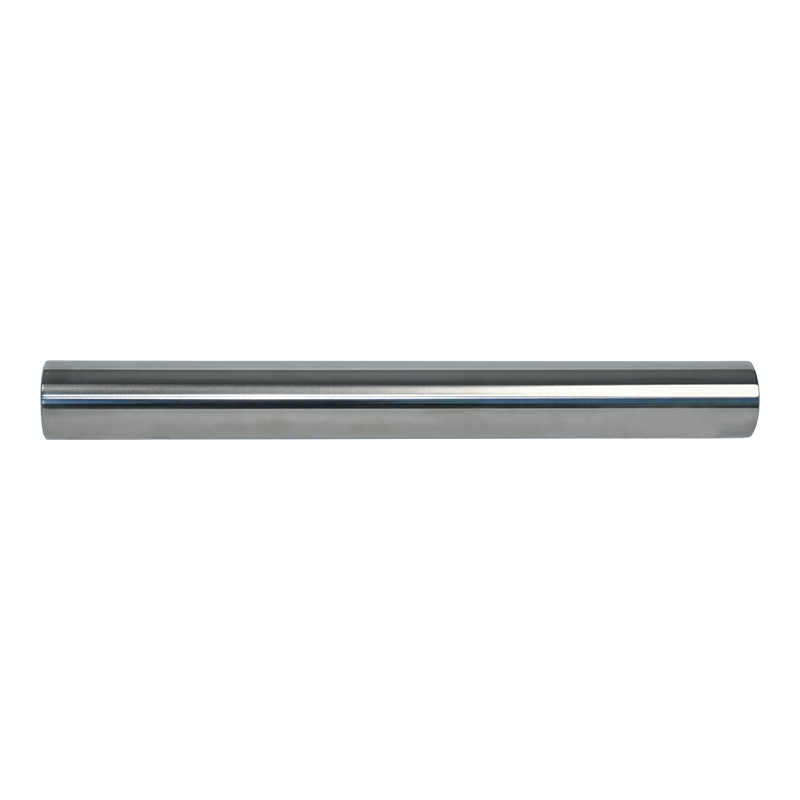 Laser Cladding Cylinder Piston RodLaser-clad piston rod with nickel-, cobalt-, or iron-based alloy layers, finished by grinding for wear, corrosion, and high-temperature service.View Product →
None of these coatings behave predictably without process discipline. Since earning ISO 9001 and ISO 14001 certification in 2011, we have built our rod production around CNC grinding and polishing machines and intelligent, environmentally controlled plating lines, with coating thickness, adhesion and surface finish checked at each stage rather than only at final inspection.
Capacity matters as much as control. Our plants now cover more than 25,000 square metres, and the 2022 expansion added a 20,000 square metre facility in Wuxi alongside our Loudi branch, which is what allows batch orders and custom assemblies to run on the same floor. If you would like to go deeper into the machining side of the story, our note on what actually makes a rod precise explains how tolerance and finish are held on the shop floor.
Most coating problems we see are specification problems rather than production problems. A few details sent with an enquiry save a great deal of back-and-forth later:
With that information, a coating recommendation usually takes one short exchange, and a sample rod can be produced before the full batch is committed.
A coated piston rod is a small part of a machine and a large part of its reliability. Choosing the layer that matches the real working conditions, rather than the one that looks most impressive on paper, is what keeps cylinders dry, seals intact and maintenance intervals long. If you are unsure which route fits your application, send us the working conditions and we will walk through the options with you.

Contact Us
+86-137-0618-5800
No. 3 Dujuan West Road, Hudai Town, Binhu District, Wuxi City, Jiangsu Province
Get in Touch
Mobile

 English
 русский
 Deutsch