Thread Engagement Length Affects More Than Holding Strength
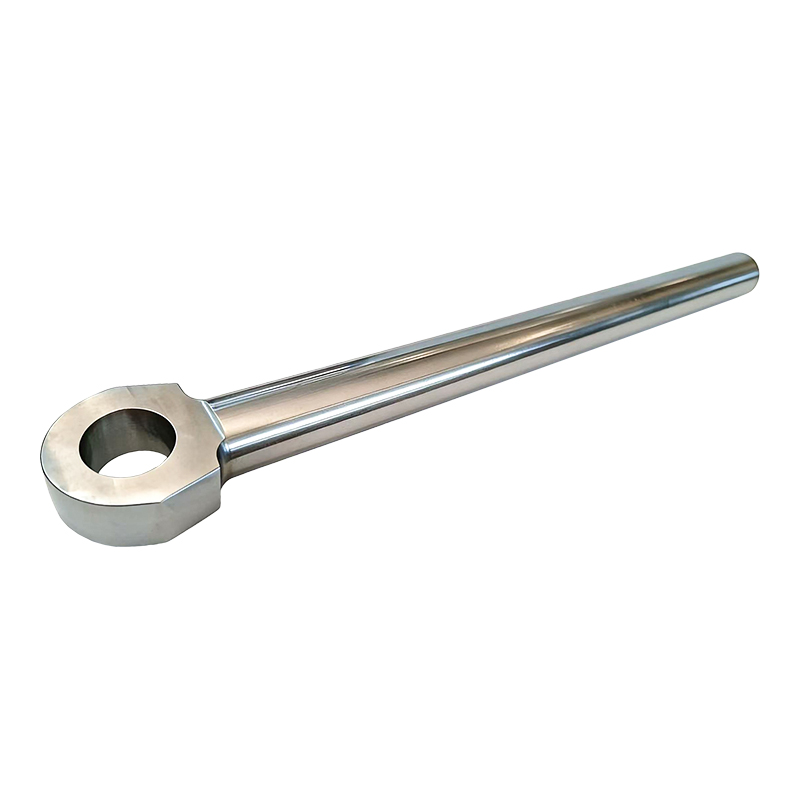
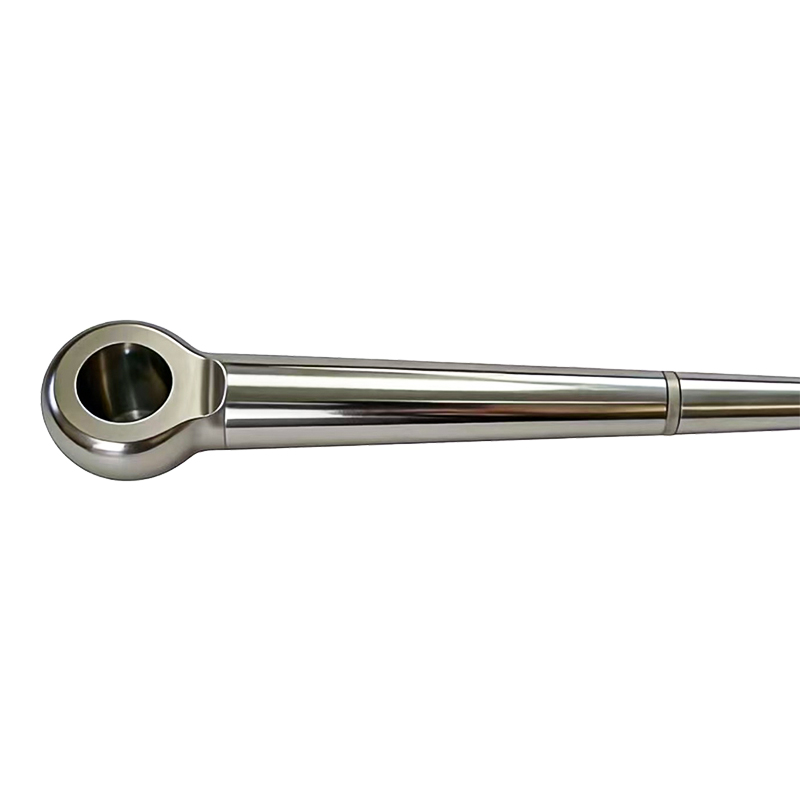
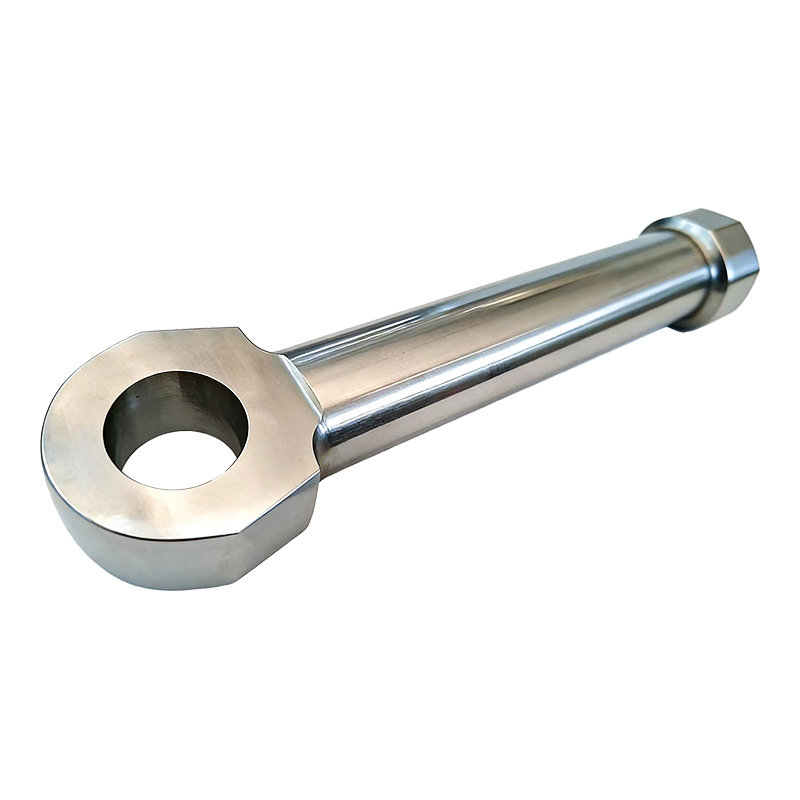
When a piston head is threaded onto the rod as part of a piston rod assembly, the engagement length of that thread connection does more than determine how securely the two components are joined. Insufficient thread engagement concentrates stress at the first few threads that make contact, which over repeated cycling can lead to fatigue cracking at exactly that point, even if the connection never actually loosens mechanically. This is why thread engagement specifications for piston rod assemblies are typically expressed as a multiple of the thread diameter rather than a fixed length, since the appropriate engagement scales with the load the connection needs to carry.
Thread locking methods also matter here. A connection that relies solely on torque to stay secure can gradually loosen under the vibration and pressure cycling typical of hydraulic operation, which is why many piston rod assemblies incorporate a mechanical locking feature, adhesive thread locker, or a locking nut in addition to proper torque, rather than depending on friction alone.
Welded vs Machined Piston Head Connections Fail Differently
Piston heads can be attached to the rod through either a threaded and machined connection or a welded connection, and the choice affects not just assembly cost but how the connection behaves under stress over time. A machined threaded connection tends to fail gradually, often showing early signs like slight looseness or minor leakage before a complete failure occurs, which gives maintenance teams a warning window. A welded connection, by contrast, is typically stronger under normal conditions but can fail more abruptly if a weld defect is present, since there's no mechanical looseness to signal a developing problem before the joint gives way.
Why Inspection Methods Differ Between the Two
Welded piston rod assemblies generally require non-destructive testing methods like ultrasonic or dye penetrant inspection to verify weld integrity before the assembly goes into service, since surface inspection alone can't reveal subsurface weld defects. Threaded assemblies, on the other hand, can often be verified through torque testing and visual thread inspection, which is comparatively simpler to perform as part of routine quality control.
Seal Groove Tolerances Have a Longer Reach Than People Expect
The groove machined into a piston head to hold the piston seal has to meet tight dimensional tolerances, and small deviations here have consequences that extend well beyond the seal itself. A groove that's slightly too wide allows the seal to shift under pressure, leading to uneven wear and eventual bypass leakage. A groove that's slightly too narrow can pinch the seal during installation, creating a weak point that fails early even though the surrounding assembly appears fully functional. Because this groove is a fixed feature of the finished piston head, correcting a tolerance issue after machining usually means scrapping the component rather than reworking it.
- Groove width tolerance directly affects how much the seal can move under pressure cycling
- Groove depth affects seal compression, which influences both sealing performance and seal lifespan
- Surface finish inside the groove matters almost as much as finish on the rod, since a rough groove surface can abrade the seal from the inside
- Sharp corners or burrs left from machining are a common, avoidable cause of early seal damage during installation
Concentricity Between Rod and Piston Affects Wear Long Before It Affects Function
A piston rod assembly can function normally for a period of time even with a slight concentricity error between the rod centerline and the piston head, but that misalignment typically shows up first as uneven wear on the cylinder bore or bushing surfaces, well before it causes any noticeable performance issue. This is one of the reasons concentricity is checked as a specific quality control step separate from simply verifying that both the rod diameter and piston diameter individually meet their own tolerances, since two individually correct components can still be misaligned when assembled together.
| Concentricity Condition |
Early Symptom |
Long-Term Consequence |
| Within tolerance |
Even wear pattern on bore and seals |
Expected service life achieved |
| Minor deviation |
Slightly uneven seal wear, not yet visible externally |
Reduced seal life, earlier maintenance interval |
| Significant deviation |
Noticeable side loading and bore scoring |
Premature cylinder failure, possible bore damage |
Testing the Assembly as a Whole, Not Just Its Components
A common gap in quality control is testing individual components of a piston rod assembly, such as the rod and piston head, against their own specifications without ever testing the completed assembly together as a functional unit. Pressure testing and stroke cycling on the assembled unit can reveal interaction issues, such as minor misalignment or connection weaknesses, that wouldn't show up when each part is inspected on its own. This is particularly important for assemblies bound for high-cycle applications like excavators and piling machinery, where the combined stresses of pressure, vibration, and repeated motion only appear once everything is working together.
We test completed piston rod assemblies as full units before they leave our Wuxi facility, since component-level testing alone doesn't always catch the kind of interaction issues that only appear once a rod and piston head are working together under real pressure cycling.
When a Custom Assembly Solves a Compatibility Problem a Standard One Can't
Standard piston rod assemblies work well when equipment specifications align closely with commonly available configurations, but older machinery, modified equipment, or unique operating environments often need something built to exact requirements rather than adapted from a catalog part. A custom hydraulic piston rod assemblies allow adjustments to thread pitch, mounting style, seal groove dimensions, and surface treatment simultaneously, rather than forcing a compromise on one specification to fit a standard part elsewhere.
- Older or discontinued equipment where original specifications no longer match current standard offerings
- Applications in corrosive or abrasive environments requiring non-standard surface treatments across the entire assembly
- Equipment modified from its original design, where mounting points or stroke length no longer match a standard part
- Situations requiring matched sets of assemblies with guaranteed consistent performance across multiple units
Given the range of equipment we've supported across construction machinery, oil fields, and mining operations, custom-built piston rod assemblies tend to come up most often when a piece of equipment has been modified or repaired in ways that no longer match its original factory specifications.

 English
 русский
 Deutsch