2026-08-13
Content
If you work around heavy machinery, presses, or lifting equipment, you've probably come across the term "hydraulic cylinder hollow piston rod" at some point. It sounds technical, but the idea behind it is actually pretty simple once you break it down. This article walks through what this component is, how it works, why manufacturers use it, and what you should know before choosing one for your own equipment.
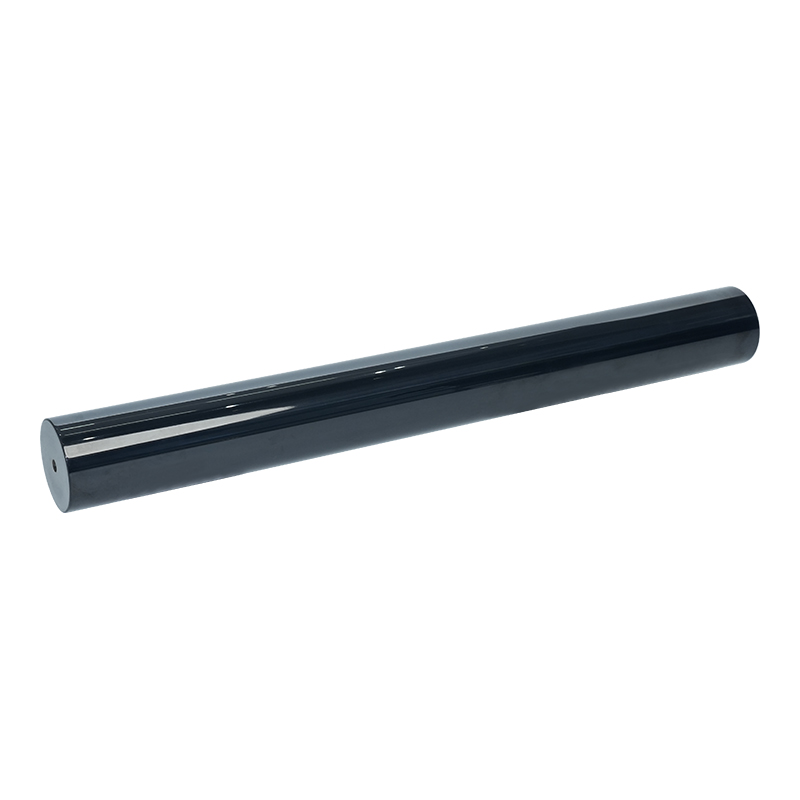
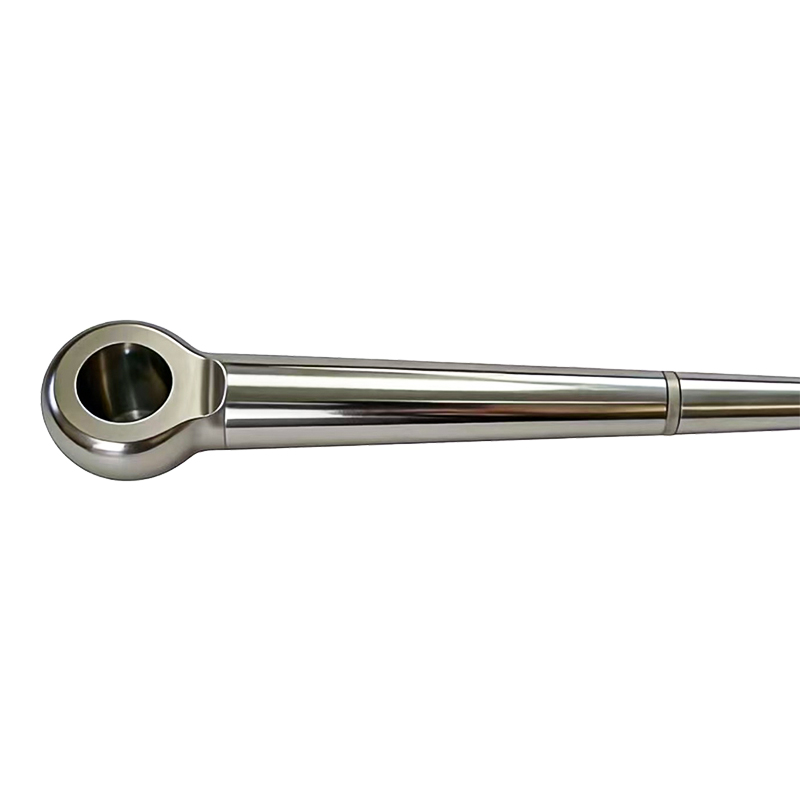
A hydraulic cylinder hollow piston rod is a piston rod with a hole running through its center, instead of being a solid bar of steel. Picture a regular piston rod, then imagine drilling a channel straight through the middle from one end to the other. That's essentially what you get. This hollow center isn't just an empty space for the sake of it — it serves real functional purposes, from routing cables and hoses through the rod itself to reducing weight and allowing other components to pass through the cylinder assembly.
These rods are commonly found in hydraulic cylinders used in presses, injection molding machines, elevators, marine equipment, and heavy industrial lifting systems. They're especially popular in applications where something needs to pass through the cylinder — like a tie rod, sensor cable, or another mechanical linkage.
The working principle is the same as a standard hydraulic cylinder — pressurized fluid pushes against the piston, which moves the rod in and out to create linear motion. The difference is purely structural. Because the rod has a bore through its center, it can house a separate rod, shaft, or cable that operates independently of the hydraulic cylinder's own stroke.
This is particularly useful in applications like:
Switching from a solid rod to a hollow one isn't just a design preference — it comes with practical advantages that matter in real-world operation.
Removing material from the center of the rod cuts down the overall weight of the cylinder assembly. This matters a lot in mobile equipment, aerospace applications, and anywhere reducing dead weight improves fuel efficiency or handling.
The hollow bore gives engineers a built-in channel to route cables, hoses, sensors, or secondary rods without needing extra external space. This keeps machine designs more compact and protects those internal components from external damage.
In some high-cycle or high-load applications, the hollow center allows for airflow or coolant circulation, helping manage heat buildup that would otherwise shorten the cylinder's service life.
Many telescopic hydraulic cylinders rely on hollow rods so that inner stages can extend through outer stages. Without the hollow design, this kind of nested, multi-stage extension simply wouldn't be mechanically possible.
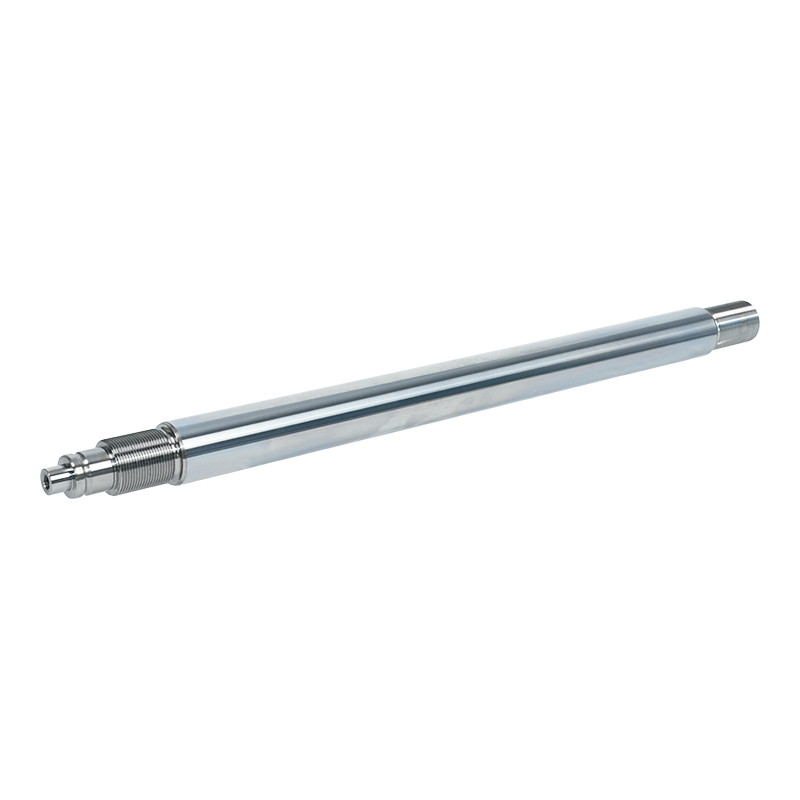
Hollow piston rod cylinders show up in more places than people realize. Below is a quick look at where they're typically used and why.
| Industry | Typical Use |
| Metal Stamping & Presses | Routing ejector pins or die rods through the cylinder center |
| Marine & Shipbuilding | Steering cylinders with cable pass-through for rudder control |
| Construction Equipment | Telescopic boom and lift cylinders |
| Elevators & Lifts | Hydraulic ram systems requiring internal cable routing |
| Plastics & Injection Molding | Core pull mechanisms passing through the main cylinder |
Not every application needs a hollow rod, and choosing one without understanding the trade-offs can lead to unnecessary cost or reduced performance. Here are the key factors worth thinking through.
Removing material from the rod's core reduces its cross-sectional strength compared to a solid rod of the same outer diameter. For heavy-load applications, the wall thickness of the hollow section needs to be carefully calculated to avoid buckling or bending under pressure.
If the hollow rod needs to accommodate a cable, hose, or secondary shaft, the internal bore diameter has to be sized correctly from the start. Retrofitting a rod with a bore that's too small is not a simple fix.
Just like solid rods, hollow rods are typically made from chrome-plated steel or stainless steel to resist corrosion and wear. In harsh environments — marine, outdoor construction, or chemical exposure — the coating quality matters even more since the rod's structural margin is already reduced by the hollow core.
Because hollow rods sometimes need seals at both ends of the bore (in addition to the standard cylinder seals), it's important to confirm that the seal package is designed for dual-end sealing if your application requires it.
Hollow piston rods generally need the same care as solid rods, with a few extra points of attention because of the internal bore.
This is the question most people are really trying to answer. If your application doesn't require internal routing, weight reduction, or a telescopic design, a solid rod is usually simpler, stronger, and more cost-effective. But if you need to pass a cable, achieve a multi-stage stroke, reduce overall assembly weight, or manage internal heat, the hollow piston rod design becomes the practical — sometimes the only — solution.
The best approach is to work backward from your specific mechanical requirement rather than picking a rod type first. Once you know what needs to pass through the cylinder, or whether weight and space savings are a priority, the choice between hollow and solid becomes much more straightforward.

Contact Us
+86-137-0618-5800
No. 3 Dujuan West Road, Hudai Town, Binhu District, Wuxi City, Jiangsu Province
Get in Touch
Mobile

 English
 русский
 Deutsch