2026-08-05
Content
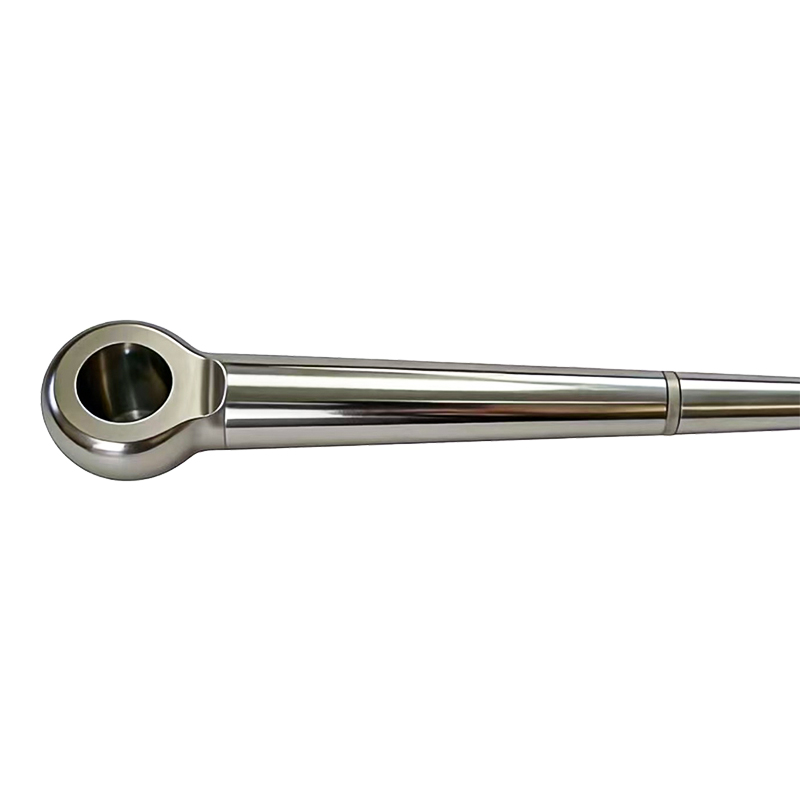
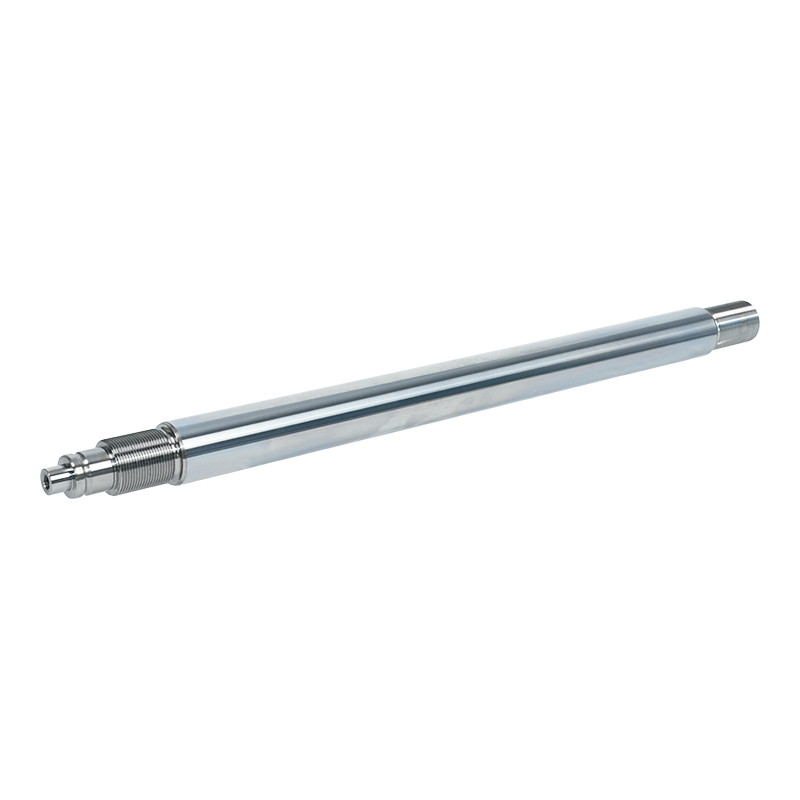
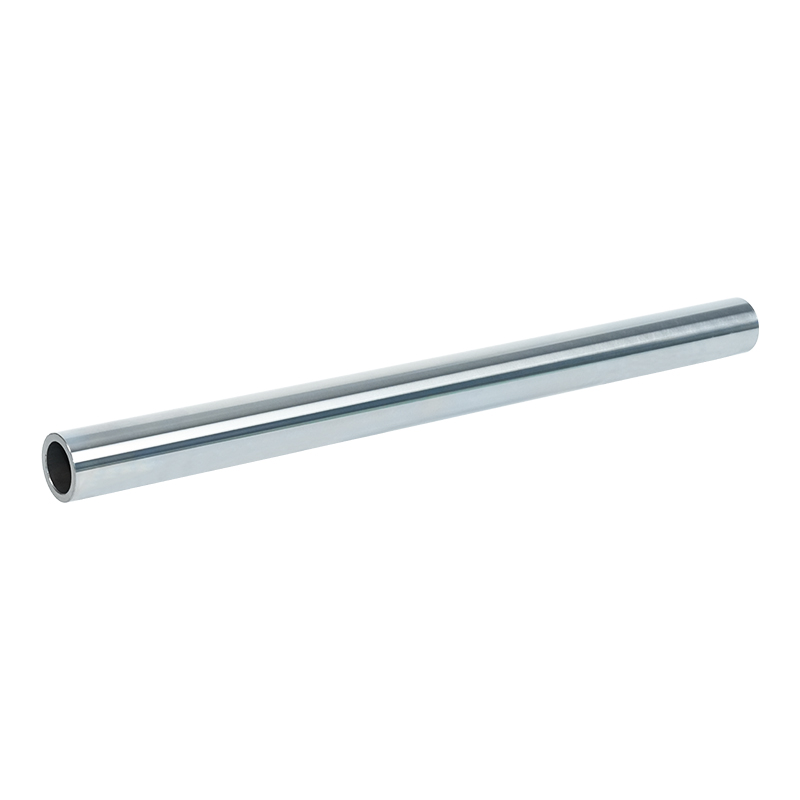
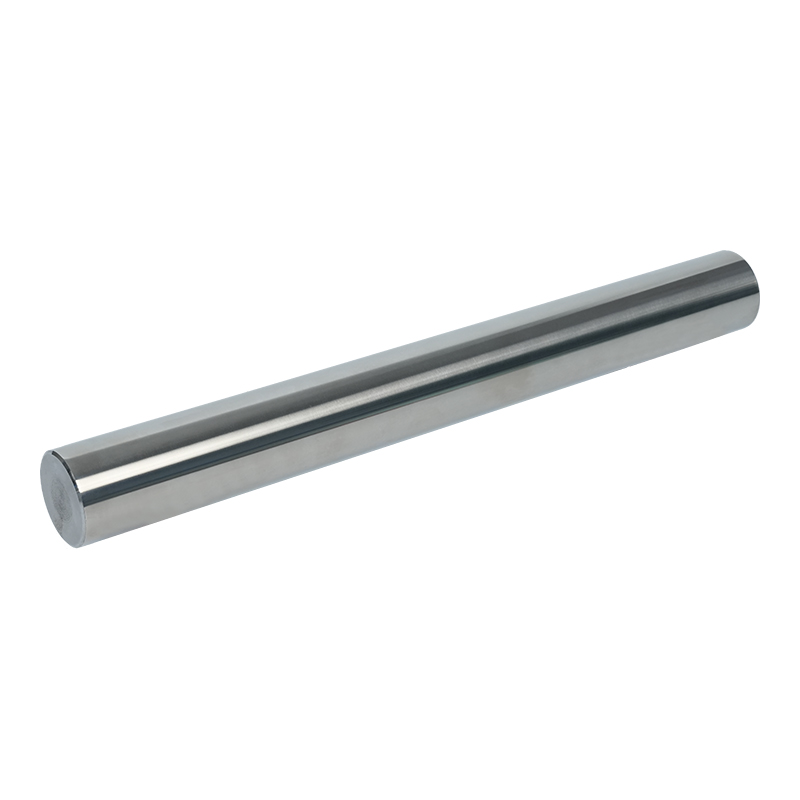
A hydraulic piston rod is the long, cylindrical steel component that transmits force from inside a hydraulic cylinder to the external load it is moving. As pressurized fluid pushes against the piston head, the rod extends or retracts, converting hydraulic energy into the linear mechanical motion that powers everything from excavator arms to industrial presses. Because the rod is the only part of the cylinder assembly directly exposed to the outside environment during operation, it takes on the brunt of contamination, impact, and wear.
The performance of an entire hydraulic system often depends more on the condition of the piston rod than any other single component. A rod that is bent, pitted, or improperly sized can cause seal failure, fluid leakage, and eventually complete cylinder breakdown. Understanding how a hydraulic piston rod is built and what stresses it endures makes it much easier to select the right one and keep it running reliably.
Not all piston rods are built the same way, and the material or surface treatment used has a direct impact on durability, corrosion resistance, and overall cost. Below is a comparison of the most commonly used options in industrial applications.
| Material or Coating | Key Benefit | Best Suited For |
| Chrome Plated Steel | Excellent corrosion resistance and low friction | General industrial and mobile equipment |
| Induction Hardened Steel | High surface hardness for heavy loads | Construction and mining machinery |
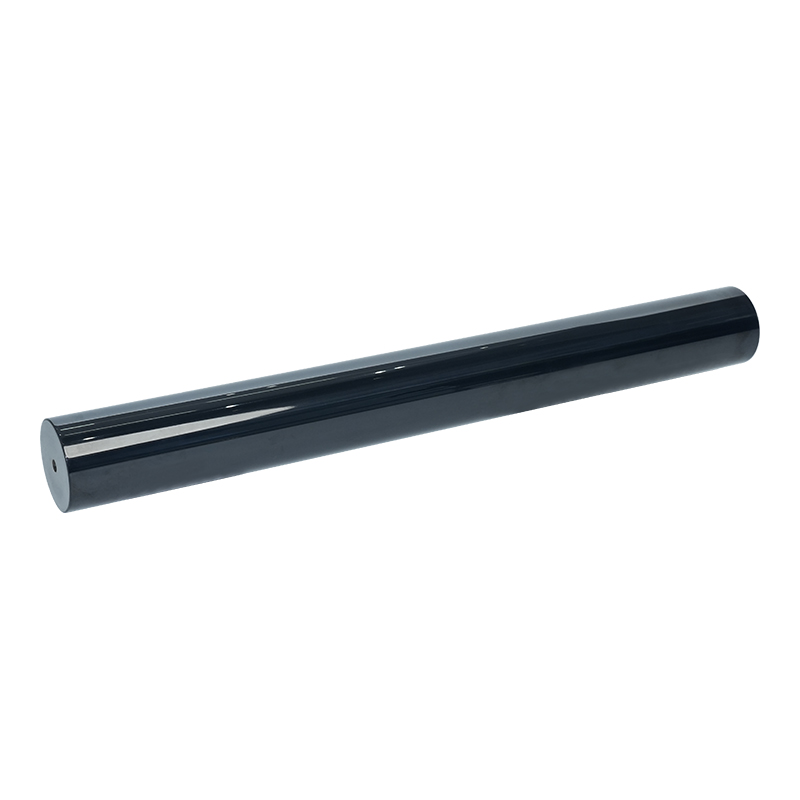
| Ceramic Coated Rod | Superior resistance to pitting and wear | Marine and offshore environments |
| Stainless Steel | Natural corrosion resistance without plating | Food processing and chemical plants |
| Nitrided Steel | Deep hardness layer with fatigue resistance | High-cycle, high-stress applications |
Chrome plating remains the industry standard because it strikes a practical balance between cost, corrosion protection, and smooth seal interaction. However, in environments with heavy exposure to salt water or aggressive chemicals, ceramic coatings or stainless steel options tend to outperform standard chrome over the long run.
Selecting the correct piston rod involves more than matching a diameter to an existing cylinder bore. Several operating conditions need to be factored in to avoid premature failure and unnecessary downtime.
An undersized rod is prone to buckling under compressive loads, especially in long-stroke cylinders. Engineers typically calculate the required diameter using column buckling formulas that account for stroke length, mounting style, and maximum expected force to ensure the rod maintains structural stability throughout its full range of motion.
Rods used outdoors or in humid, corrosive settings need thicker plating or specialized coatings to prevent pitting corrosion, which is one of the leading causes of seal damage. In cleaner indoor environments, standard chrome plating is usually sufficient and more cost-effective.
Applications where the cylinder is subject to lateral forces, such as lifting equipment with uneven loading, require rods with reinforced bearing surfaces or stop-tube designs to reduce wear concentrated at the rod-to-bore interface.
Catching rod damage early can prevent a minor repair from turning into a full cylinder replacement. Operators and maintenance teams should routinely check for the following warning signs.
Even minor surface scoring can quickly damage seals, allowing contaminants to enter the cylinder and accelerate wear on internal components. Addressing surface damage as soon as it is spotted is far cheaper than replacing an entire hydraulic cylinder assembly.
Routine maintenance plays a major role in how long a hydraulic piston rod lasts before needing repair or replacement. A consistent maintenance schedule reduces unplanned downtime and protects the investment in the broader hydraulic system.
Dirt, dust, and debris that accumulate on an exposed rod can be dragged into the cylinder during retraction, damaging seals from the inside. Installing rod boots or wipers in dusty environments significantly reduces this risk.
Contaminated or degraded fluid accelerates wear on both the rod surface and internal seals. Regular fluid analysis and filter changes help maintain the clean operating conditions the rod needs to perform properly.
Improper mounting alignment places uneven stress on the rod and accelerates seal wear at specific points. Verifying proper alignment during installation and after any major maintenance work helps distribute load evenly across the rod surface.
When a piston rod shows signs of wear, businesses often face the choice between repairing the existing rod or replacing it entirely. The right decision depends on the extent of damage and the criticality of the application.
For equipment operating in demanding conditions, investing in a higher-grade rod material or coating during replacement can prevent the same failure from recurring, ultimately saving on repair costs over the equipment's lifespan.
A hydraulic piston rod may seem like a simple mechanical part, but its condition directly determines how reliably an entire hydraulic system performs. Choosing the right material, staying alert to early signs of wear, and following a consistent maintenance routine are the most effective ways to avoid costly downtime and extend the working life of both the rod and the cylinder it powers.

Contact Us
+86-137-0618-5800
No. 3 Dujuan West Road, Hudai Town, Binhu District, Wuxi City, Jiangsu Province
Get in Touch
Mobile

 English
 русский
 Deutsch