2026-07-31
Content
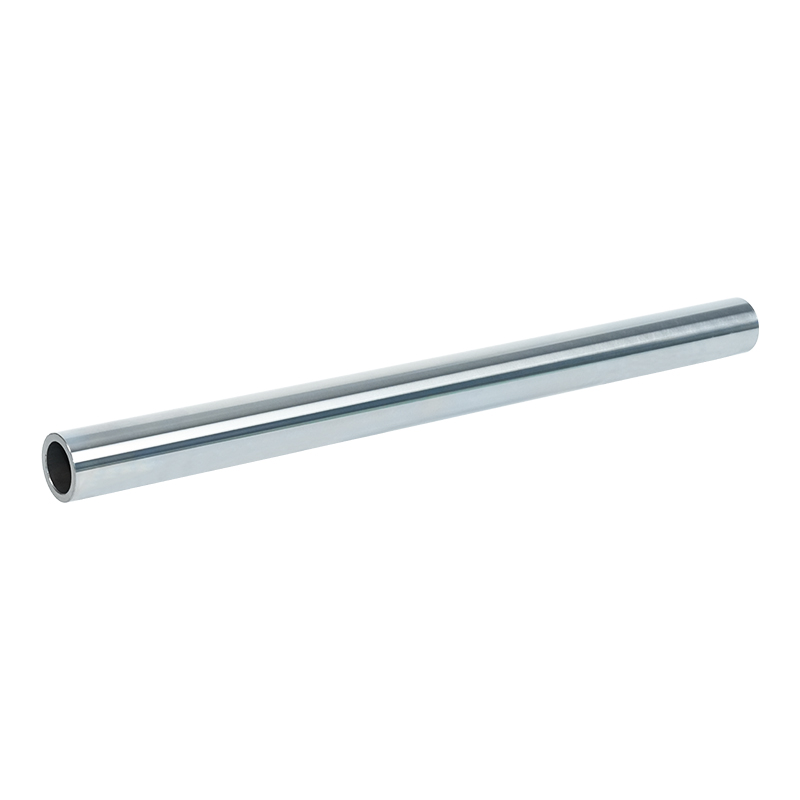
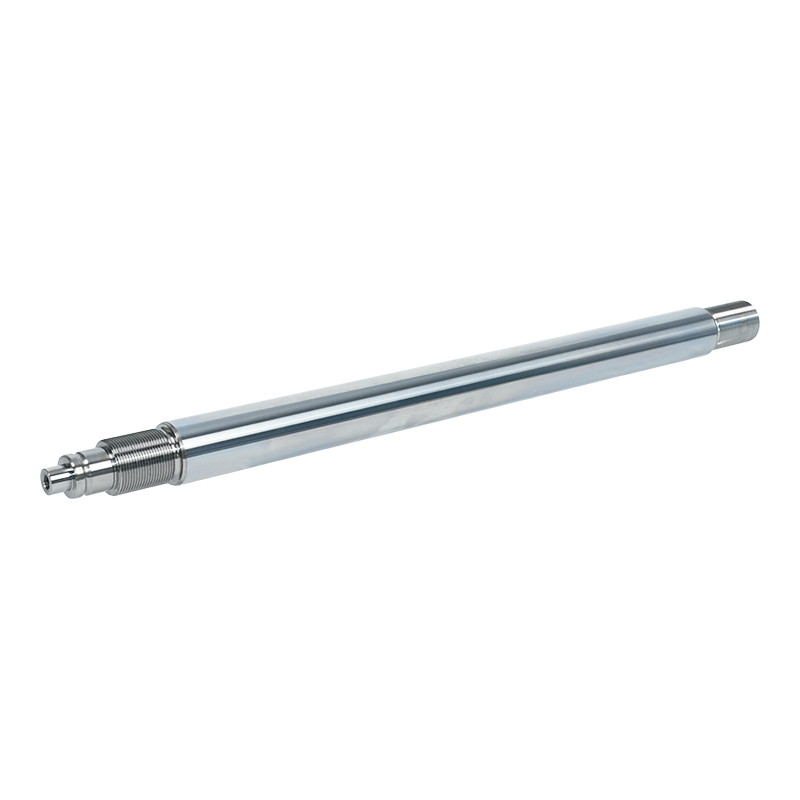
A hydraulic piston rod might look like a simple metal shaft, but it's actually one of the most stressed components in an entire hydraulic system. Every time a cylinder extends and retracts, the rod pushes through seals, gets exposed to dirt, moisture, and chemicals, and takes on massive amounts of pressure. Without the right surface protection, that rod will pit, rust, or wear down far faster than it should.
This is where a coated hydraulic piston rod comes in. The coating isn't just a cosmetic layer — it's what stands between your equipment running smoothly for years or failing unexpectedly in the middle of a job. Choosing the right coating type can mean the difference between a rod that lasts a decade and one that needs replacing within a season.
Not every coated hydraulic piston rod is built the same way. Manufacturers use different coating processes depending on the operating environment, budget, and expected load. Here's a breakdown of the most common options.
| Coating Type | Best For | Key Benefit |
| Hard Chrome Plating | General industrial and mobile equipment | Good wear resistance at a reasonable cost |
| Ceramic Coating | Marine and heavy corrosion environments | Superior corrosion and chemical resistance |
| HVOF Thermal Spray | Heavy-duty mining and construction machinery | Extreme hardness and impact resistance |
| Nickel-Chrome Coating | Offshore and high-humidity applications | Excellent rust and saltwater protection |
| PVD Coating | Precision hydraulics with tight tolerances | Thin, uniform layer with low friction |
Many equipment manufacturers now favor ceramic and thermal spray coatings over traditional chrome plating, mainly because chrome plating processes involve hexavalent chromium, which is facing tighter environmental regulations in several countries.
Picking a coating isn't a one-size-fits-all decision. The right choice depends heavily on where and how the equipment operates.
If your equipment works outdoors, near saltwater, or in a chemically aggressive setting, corrosion resistance should be your top priority. A rod that looks fine in a factory test can fail quickly once it's exposed to real-world humidity, salt spray, or acidic runoff. Coatings like ceramic or nickel-chrome tend to hold up far better in these conditions than standard chrome plating.
Equipment that cycles constantly, like excavators or presses, puts repeated mechanical stress on the rod surface. In these cases, hardness and wear resistance matter more than corrosion protection alone. HVOF thermal spray coatings are often the go-to choice here because they can handle both impact and abrasive wear without flaking or cracking.
The rod's surface finish directly affects how well it interacts with the cylinder's seals. A coating that's too rough will wear down seals prematurely, while one that's too smooth may not hold a proper lubricating film. Getting the surface roughness (Ra value) right is just as important as picking the coating material itself.
Here's a quick checklist to run through before ordering a coated hydraulic piston rod:
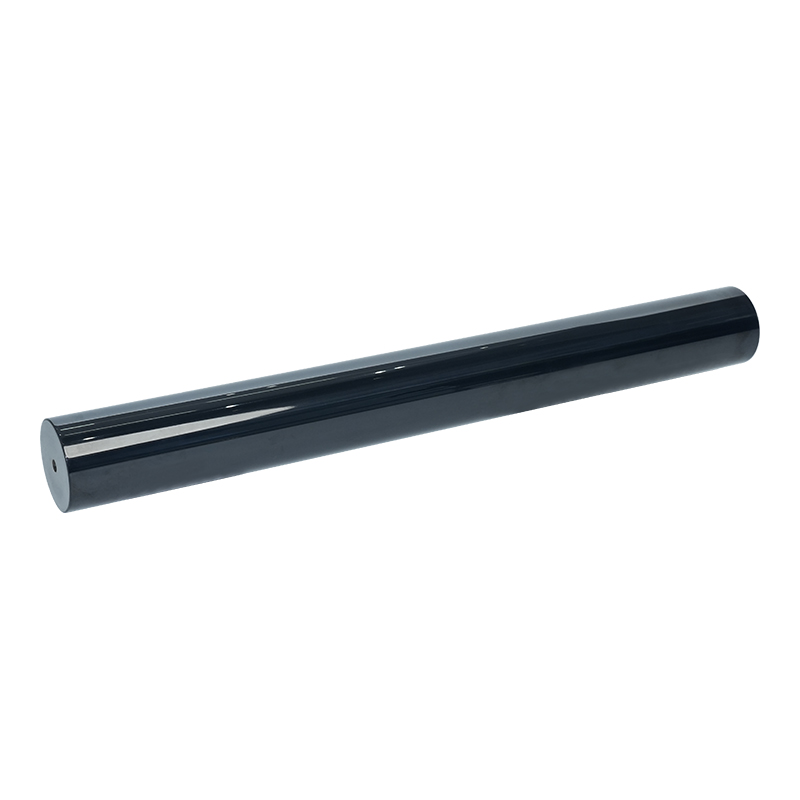
Even a high-quality coated hydraulic piston rod won't last forever, and catching early warning signs can prevent a small issue from turning into a full cylinder failure. Regular visual inspection during routine maintenance is one of the simplest ways to avoid unplanned downtime.
If any of these signs show up, it's worth having the rod inspected by a specialist before continuing operation, since a damaged coating can quickly lead to seal damage, fluid contamination, and eventually cylinder failure.
Even the best coating won't perform well without proper care. Simple daily habits can add years to the service life of a coated hydraulic piston rod.
Keep the rod clean and free of grit before each retraction cycle, since abrasive particles trapped between the rod and seal are one of the leading causes of premature coating wear. Using rod wipers and boots in dusty or debris-heavy environments adds another layer of protection. It also helps to store equipment properly during long idle periods, ideally with rods fully retracted or covered, to prevent unnecessary exposure to moisture and airborne contaminants.
Even experienced buyers sometimes make avoidable mistakes when ordering replacement rods, and these mistakes often lead to premature failures or costly downtime.
A coated hydraulic piston rod is one of those components that's easy to overlook until it fails, but investing a little extra time in choosing the right coating and maintaining it properly pays off in fewer breakdowns, lower repair costs, and hydraulic systems that keep running when you need them most.

Contact Us
+86-137-0618-5800
No. 3 Dujuan West Road, Hudai Town, Binhu District, Wuxi City, Jiangsu Province
Get in Touch
Mobile

 English
 русский
 Deutsch