2026-07-23
Content
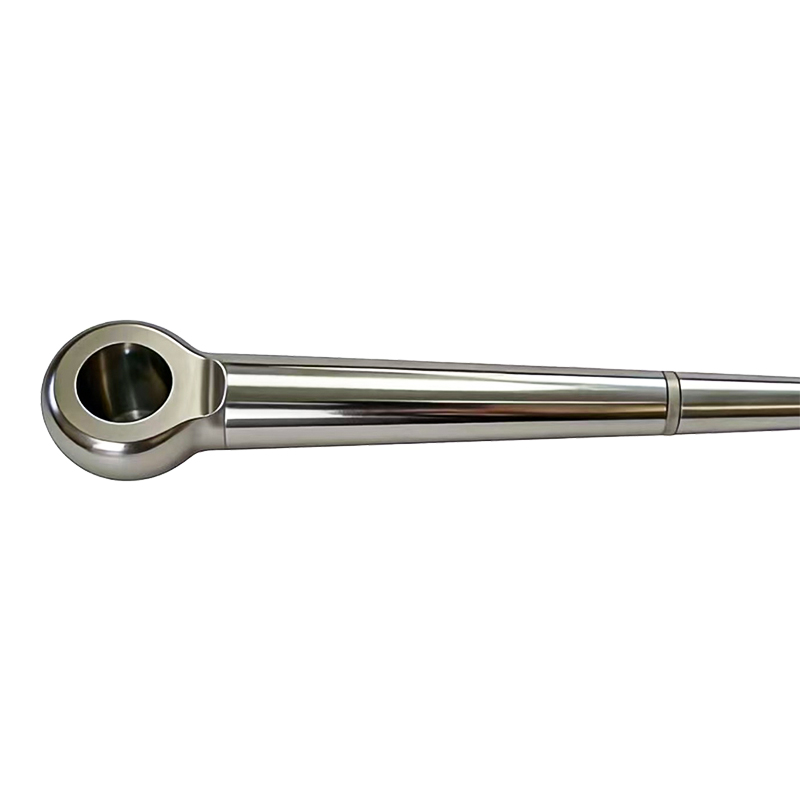
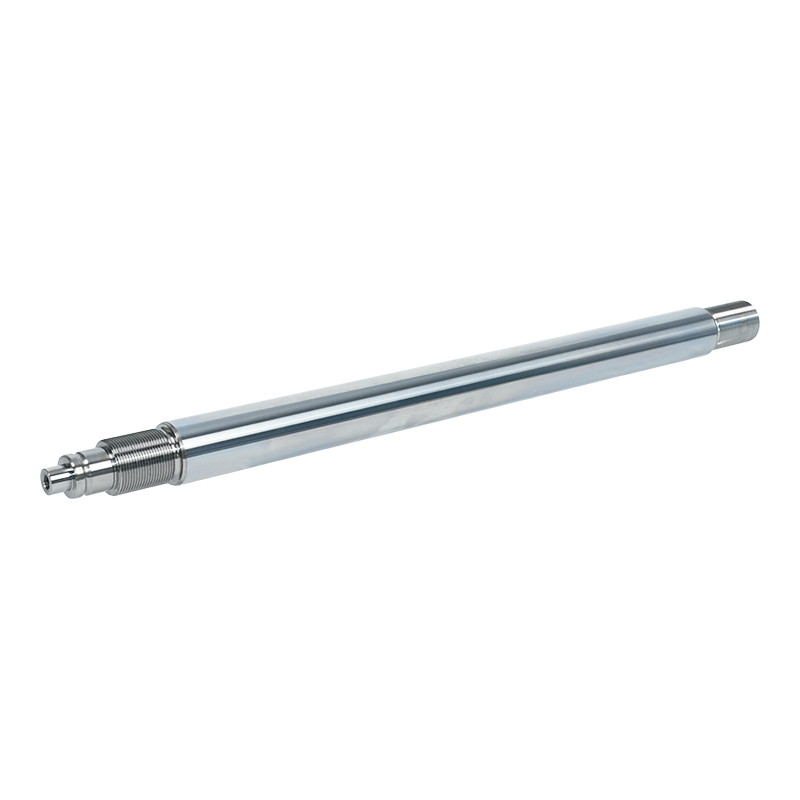
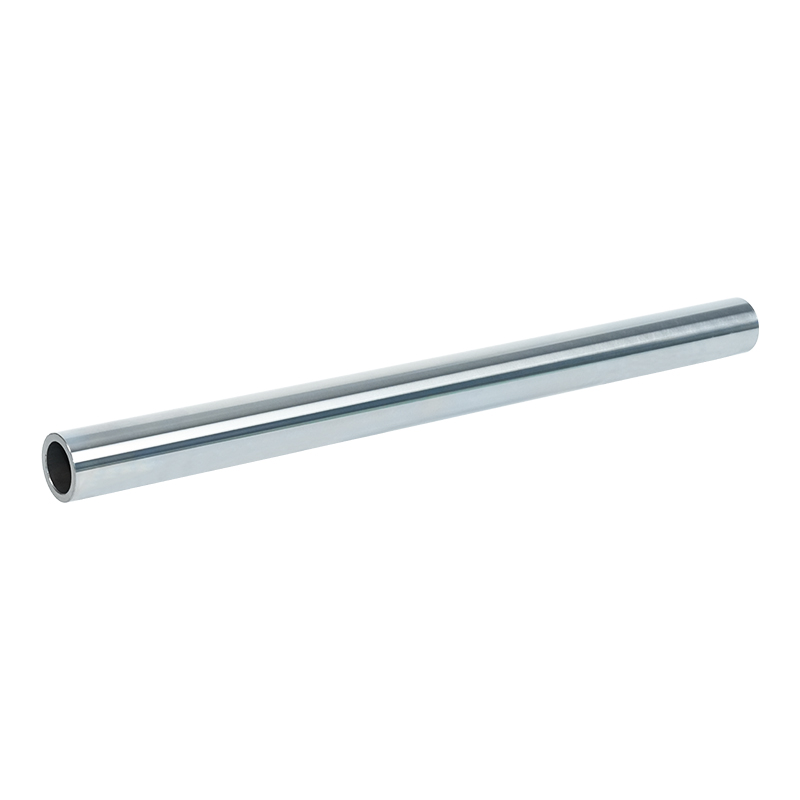
Hydraulic piston rod assemblies are the components within a hydraulic cylinder responsible for converting hydraulic fluid pressure into linear mechanical force. The assembly typically consists of a piston attached to a rod, which moves back and forth within the cylinder barrel as pressurized fluid is directed to either side of the piston. This motion is what allows hydraulic systems to push, pull, lift, or press with tremendous force in applications ranging from construction equipment to manufacturing presses.
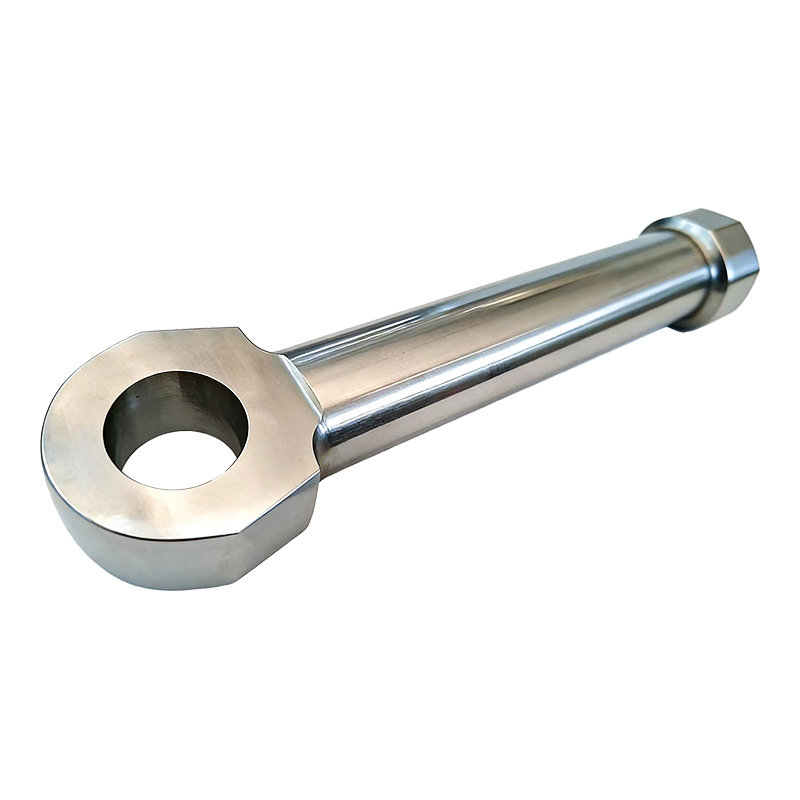
The rod itself extends outside the cylinder body and connects to whatever load needs to be moved, whether that's a bucket on an excavator, a press plate in a factory, or a lifting arm on a forklift. Because the rod is exposed to the external environment while also needing to maintain a precise seal against internal hydraulic pressure, it's one of the most critical and vulnerable components in the entire hydraulic system.
A hydraulic piston rod assembly isn't just a single solid piece, it's made up of several parts that work together to maintain pressure, reduce friction, and ensure smooth, controlled movement. Understanding these components helps when diagnosing issues or ordering replacement parts.
Piston rod assemblies endure constant pressure, friction, and exposure to external contaminants, making them prone to specific failure patterns over time. Recognizing these causes early can prevent costly downtime and equipment damage.
Scratches, pitting, or corrosion on the rod's surface can damage seals as the rod passes through them, leading to fluid leaks and reduced system pressure. This type of damage often occurs from exposure to abrasive dust, road debris, or corrosive environments, especially in outdoor equipment like excavators or agricultural machinery.
Seals naturally wear down over time due to friction and heat, but this process accelerates when contaminated fluid or incorrect seal materials are used. Once seals degrade, fluid begins to leak past them, reducing hydraulic efficiency and eventually leading to complete system failure if left unaddressed.
Excessive side loading or improper installation can cause the piston rod to bend slightly, which puts uneven stress on seals and bushings during operation. Even minor bending can lead to accelerated wear and, in severe cases, complete rod failure under continued heavy loads.
Catching problems early with hydraulic piston rod assemblies can save significant repair costs and prevent unexpected equipment downtime. The table below outlines common warning signs and what they typically indicate.
| Warning Sign | Likely Cause | Recommended Action |
| Fluid leaking around rod | Worn or damaged seals | Replace seal kit promptly |
| Jerky or uneven movement | Air in the system or worn bushings | Bleed system, inspect bushings |
| Visible scratches on rod surface | Contaminant exposure or corrosion | Polish or replace rod, improve sealing |
| Reduced lifting force | Internal leakage past piston seals | Inspect piston seals and cylinder bore |
Regular maintenance can significantly extend the operational life of hydraulic piston rod assemblies, reducing the frequency of costly repairs or replacements. A proactive approach is almost always more cost-effective than reactive repairs after a failure occurs.
Contaminated hydraulic fluid is one of the leading causes of premature seal and rod wear. Regular fluid filtration and scheduled fluid changes help prevent abrasive particles from damaging seals and scoring the rod surface during operation.
Using rod boots or covers on equipment operating in dusty, muddy, or corrosive environments can significantly reduce surface damage. This simple addition protects the rod's finish and extends the life of the seals it passes through.
Periodically checking for proper alignment during installation and operation helps prevent uneven wear caused by side loading. Catching minor misalignment early can prevent the more serious bending or structural damage that often leads to complete assembly replacement.
When a hydraulic piston rod assembly does need replacement, choosing the correct specifications is critical for maintaining system performance and preventing premature failure of the new component. Rod diameter, stroke length, and material grade all need to match the original equipment specifications or be verified as compatible upgrades.
Material selection matters as much as dimensional accuracy. Chrome-plated rods offer good corrosion resistance for general applications, while induction-hardened rods provide better durability in high-wear or heavy-impact environments. Consulting with a hydraulic specialist or the original equipment manufacturer before ordering replacement parts can help avoid compatibility issues and ensure the new assembly performs as expected under the specific demands of the application.

Contact Us
+86-137-0618-5800
No. 3 Dujuan West Road, Hudai Town, Binhu District, Wuxi City, Jiangsu Province
Get in Touch
Mobile

 English
 русский
 Deutsch