2026-08-19
Content
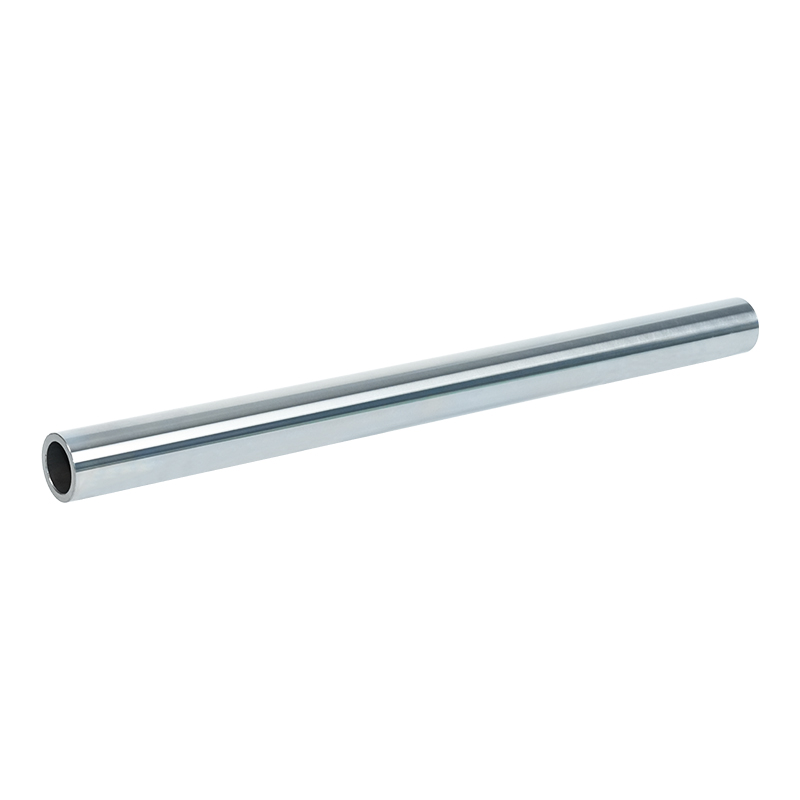
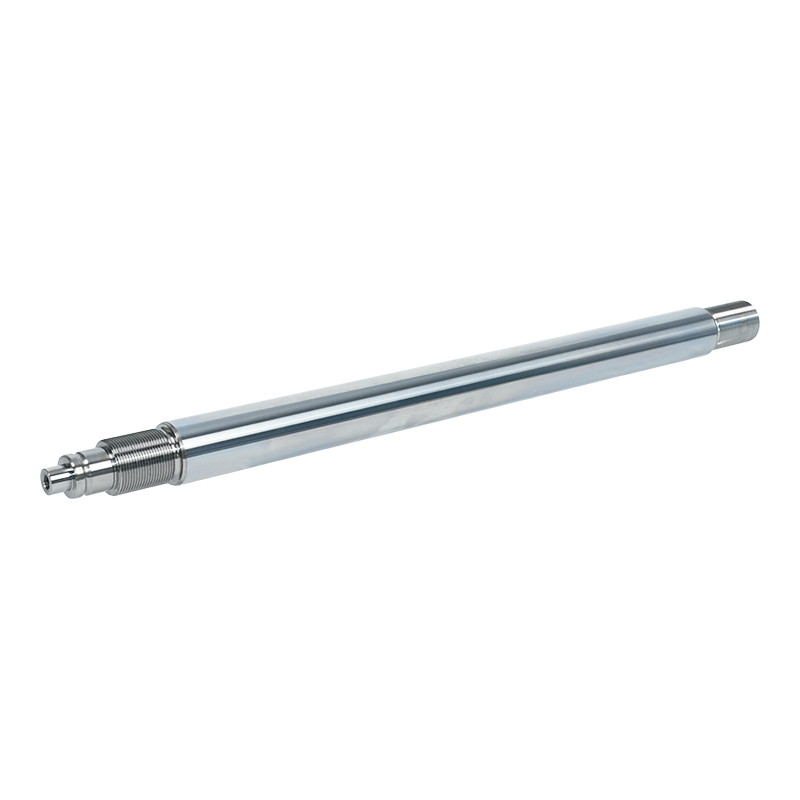
Boom hydraulic piston rods are the polished steel shafts that slide in and out of the hydraulic cylinder barrel to lift, extend, and lower the boom on excavators, cranes, aerial lifts, and backhoes. Every time you curl the bucket or swing the boom skyward, these rods are the part actually doing the pushing and pulling. They carry enormous side loads and pressure cycles, so even a small amount of surface damage can turn into a leaking seal or a bent rod fairly quickly. Understanding how boom hydraulic piston rods work makes it much easier to spot trouble early and avoid a full cylinder rebuild down the road.
The rod itself is usually made from high-strength carbon steel and then coated with a hard layer, most commonly chrome, to resist corrosion and scratching. That coating is what actually contacts the rod seals and wiper seals inside the cylinder gland. If the coating is compromised anywhere along the rod's travel, dirt and moisture get pulled past the seals on every stroke, and that's when real damage starts.
Most rod failures don't happen overnight. There's almost always a warning period where the machine is telling you something is wrong, but the signs get ignored because the boom still technically moves. Catching these symptoms early is the difference between a $200 seal kit and a $2,000 rod replacement.
If you notice more than one of these at the same time, it's worth pulling the boom cylinder for a closer inspection rather than waiting for a full failure in the middle of a job.
Dirt, sand, and grit are the number one enemy of any boom hydraulic piston rod. On job sites, dust settles on the exposed rod every time it's extended, and if the wiper seal isn't doing its job, that grit gets dragged back into the cylinder on the return stroke. Over thousands of cycles, this acts like sandpaper on both the rod surface and the internal seals.
Boom cylinders are designed to handle axial force, not heavy side loading. When pins, bushings, or mounting brackets wear out, the rod can start flexing slightly off-center with every stroke. This uneven pressure wears one side of the rod and seal faster than the other, which eventually shows up as a leak on just one side of the gland.
Machines that sit outside in humid or coastal environments are especially prone to rod pitting. Once rust forms under the chrome layer, it spreads underneath the coating even if the surface looks fine at first glance, which is why rods should be checked closely rather than just glanced over.
Not all boom hydraulic piston rods are finished the same way, and the coating matters just as much as the base steel underneath. Here's a quick comparison of the most common options used in the industry today.
| Coating Type | Corrosion Resistance | Wear Resistance | Typical Use Case |
| Hard Chrome | Good | Very Good | Standard excavator and loader booms |
| Nickel-Chrome Duplex | Excellent | Very Good | Marine, coastal, or high-humidity jobs |
| Ceramic Coating | Excellent | Excellent | Heavy-duty mining and demolition |
| Induction Hardened Steel | Fair | Good | Budget replacement rods |
For most fleet owners working in mixed conditions, hard chrome remains the go-to choice because it balances cost and durability. If your equipment works near saltwater or in a chemically harsh environment, upgrading to a nickel-chrome duplex or ceramic-coated rod can add years to the service life.
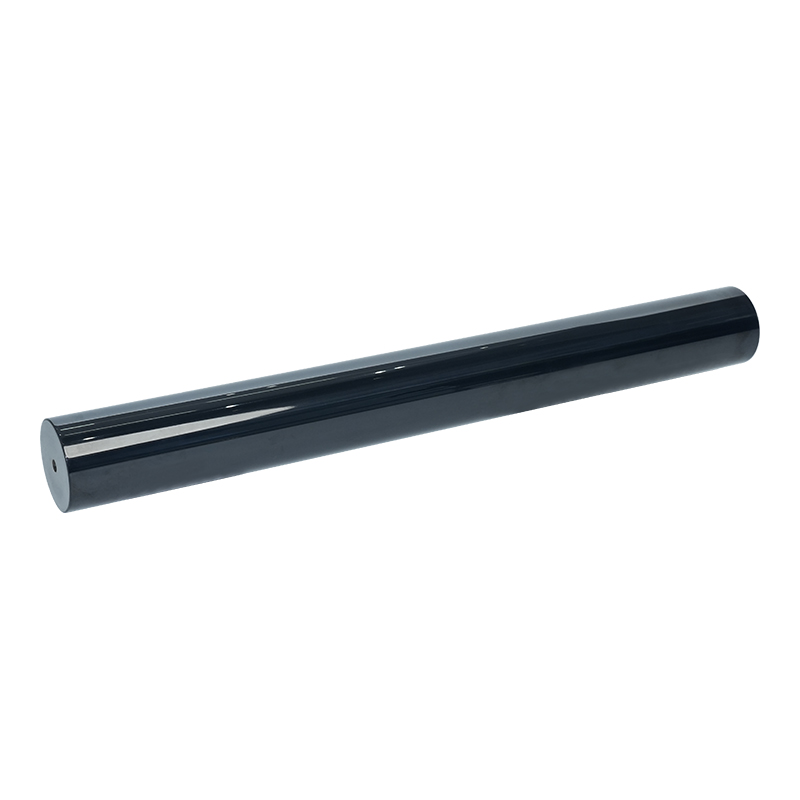
When it's time to replace a boom hydraulic piston rod, matching the original specifications exactly is critical. A rod that's even slightly out of tolerance on diameter or straightness can cause premature seal failure all over again. Before ordering, gather the following information from the old rod or the cylinder's data plate.
Whenever possible, work with a supplier who can custom machine the rod to your cylinder's original specs rather than settling for a close but not exact match. A rod that's off by even a millimeter in diameter will chew through new seals in a matter of weeks.
Good maintenance habits can add years to a set of boom hydraulic piston rods without spending a dollar on parts. A few simple daily and weekly checks go a long way toward keeping the rod surface protected.
These habits take only a few minutes but can push a rod's service life well past what the factory warranty covers.
Even a perfectly machined rod can fail early if it's installed incorrectly. During reassembly, make sure the cylinder bore is thoroughly cleaned before the new rod goes in, since leftover debris from the old failure will just damage the new surface immediately. Seals should always be replaced as a full kit rather than reused, and every seal should be lubricated with clean hydraulic fluid before installation to prevent tearing on the first stroke.
It's also worth double-checking pin and bushing wear on the boom linkage at the same time. Since misalignment is one of the leading causes of rod damage, installing a brand-new rod onto a boom with worn pins just sets up the same failure to happen again in a shorter amount of time.

Contact Us
+86-137-0618-5800
No. 3 Dujuan West Road, Hudai Town, Binhu District, Wuxi City, Jiangsu Province
Get in Touch
Mobile

 English
 русский
 Deutsch