2026-08-25
Content
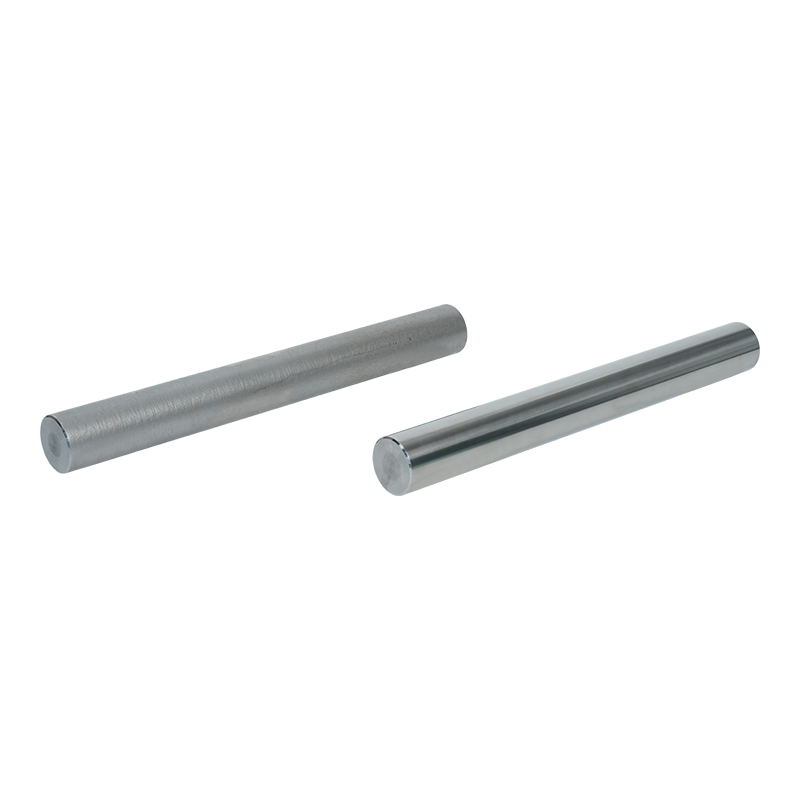
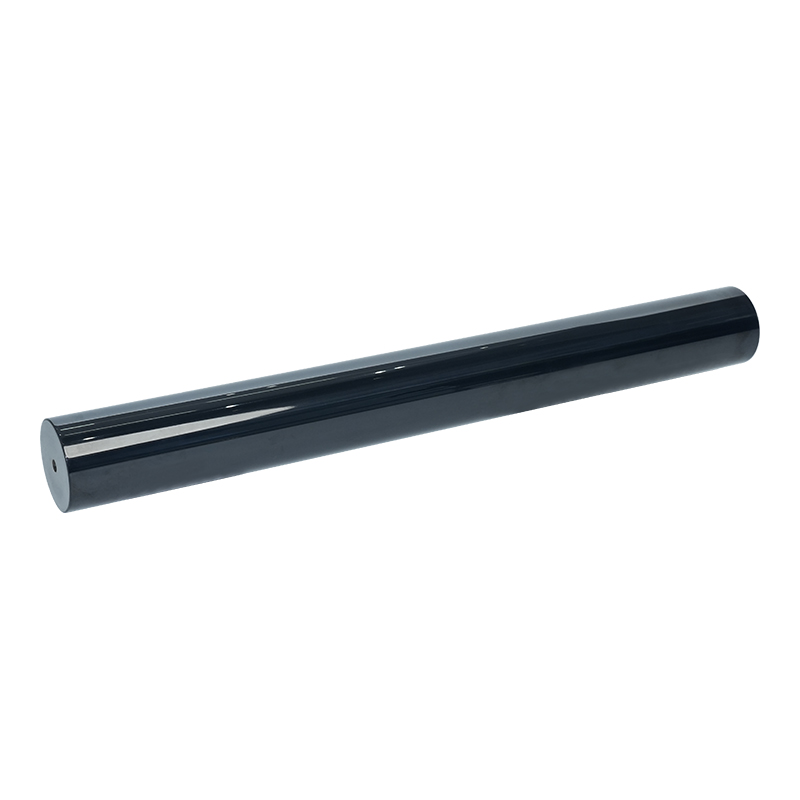
A Solid Shaft Piston Rod is the cylindrical, solid-core rod that connects the piston inside a hydraulic or pneumatic cylinder to the external load it needs to push or pull. Unlike hollow or tubular rods, a solid shaft piston rod is machined from a single solid bar of steel, which gives it a higher resistance to bending, buckling, and side-load stress. This makes it the go-to choice in applications where the rod is subjected to heavy axial force, repeated cycling, or harsh working environments such as construction equipment, agricultural machinery, marine systems, and industrial presses.
Because the rod is the part of the cylinder most exposed to the outside world, its surface finish, straightness, and material composition directly determine how long the whole cylinder assembly will last. A poorly made solid shaft piston rod can lead to premature seal wear, corrosion pitting, and eventually complete cylinder failure, so understanding what goes into a quality rod is essential before you buy or specify one.
The base material of a solid shaft piston rod is usually a medium-carbon or alloy steel that has been chosen for its balance of strength, machinability, and ability to accept a hard surface coating. The most frequently used grades include:
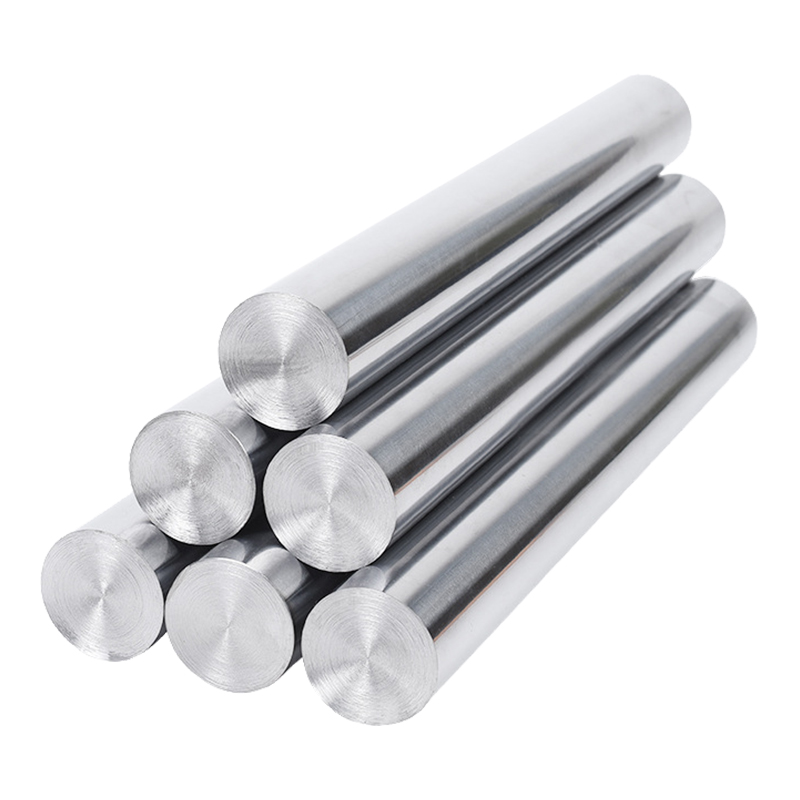
After the core steel is selected, the rod almost always receives a surface treatment. This is where the term "chrome plated solid shaft piston rod" comes from — a thin layer of hard chrome, typically 20 to 50 microns thick, is electroplated onto the surface to resist wear, reduce friction against the seal, and protect against rust.
Manufacturing a precision solid shaft piston rod involves several tightly controlled steps, and skipping or rushing any of them can compromise the rod's performance over its service life.
The raw steel bar is first turned on a lathe to bring it close to final diameter, then straightened under controlled pressure to eliminate any bow or curvature that could cause uneven seal wear during operation.
Centerless grinding removes the remaining material to achieve tight dimensional tolerances, usually within a few microns, and prepares a smooth, uniform surface for plating.
The rod is electroplated with hard chrome, then polished to a mirror finish, often below Ra 0.2 micrometers, so the seals glide smoothly without leaking or wearing prematurely.
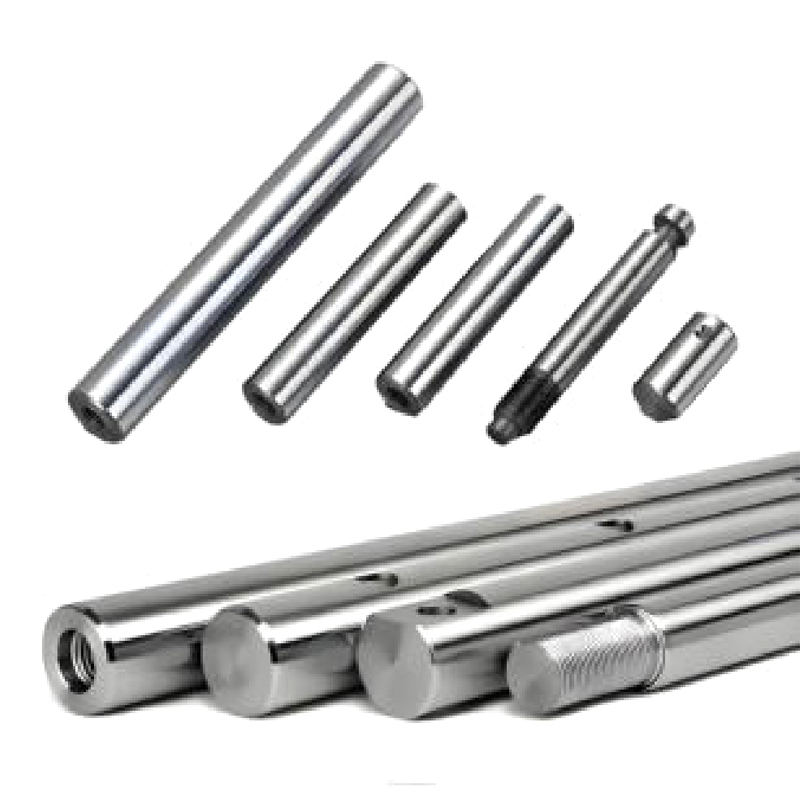
Finally, threads, clevis ends, or mounting features are machined onto the rod ends according to the customer's cylinder design, followed by a final inspection for straightness, hardness, and surface defects.
Selecting the right solid shaft piston rod isn't just about picking a diameter that fits your cylinder bore. Several factors work together to determine whether the rod will hold up under real working conditions.
Many buyers compare solid shaft rods against hollow or tubular rods before finalizing their cylinder design. The table below breaks down the practical differences to help guide that decision.
| Feature | Solid Shaft Piston Rod | Hollow Piston Rod |
| Buckling Resistance | High | Moderate |
| Weight | Heavier | Lighter |
| Manufacturing Cost | Lower | Higher |
| Typical Use Case | Heavy-duty, high-load cylinders | Weight-sensitive or telescopic cylinders |
Even the best-manufactured solid shaft piston rod will fail early if it isn't maintained properly. A few consistent habits can add years to its service life and prevent costly cylinder rebuilds.
Because of their strength and durability, solid shaft piston rods show up across a wide range of industries. In construction, they power the booms and buckets of excavators and loaders. In agriculture, they drive the lift arms and steering cylinders on tractors and harvesters. Industrial presses rely on them for repetitive, high-force stamping and forming operations, while marine and offshore equipment use corrosion-resistant versions to withstand constant saltwater exposure. Even mobile cranes and material handling equipment depend on precision-ground solid shaft piston rods to safely lift and position heavy loads day after day.

Contact Us
+86-137-0618-5800
No. 3 Dujuan West Road, Hudai Town, Binhu District, Wuxi City, Jiangsu Province
Get in Touch
Mobile

 English
 русский
 Deutsch