2026-09-02
Content
In a workshop, a worn hydraulic cylinder from a hydraulic hammer is stripped down. The rod surface shows longitudinal scores, light rust in the corroded pits, and the chrome layer has peeled near the rod end. The customer's complaint is not new: sluggish movement, oil contamination, and repeated seal replacements. Before you blame the seals or the cylinder tube, examine the piston rod surface. Hard chrome plating remains the most widely used solution for piston rod protection because it delivers a combination of hardness, corrosion resistance, and low friction that few other surface treatments can match in value for money.
Hard chrome plating is a process of electrodepositing a thin layer of chromium onto the steel substrate. For a piston rod, this layer has three key jobs: it resists abrasive wear from the sealing system, it shields the carbon steel from moisture and chemicals, and it keeps the dynamic friction between rod and seals low enough for smooth operation.
The chrome layer itself is extremely hard. In practice, hard chrome coatings typically measure 68 to 72 HRC, or roughly 900–1100 HV. That hardness is the reason a plated rod can handle hundreds of thousands of cycles without losing its diameter. It also allows the rod to be used in aggressive environments where dust, abrasives, and water are present.
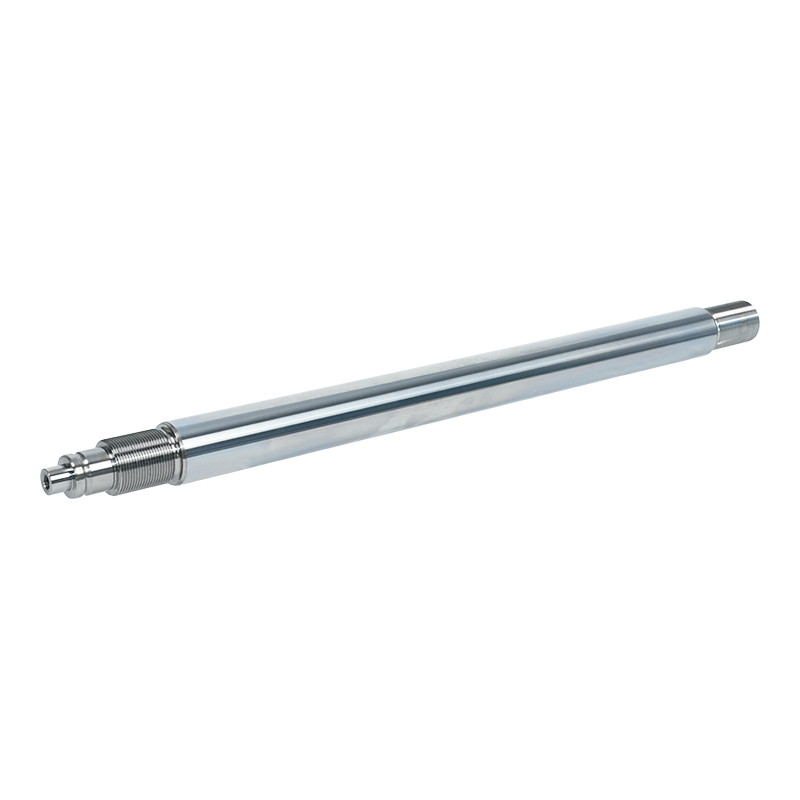
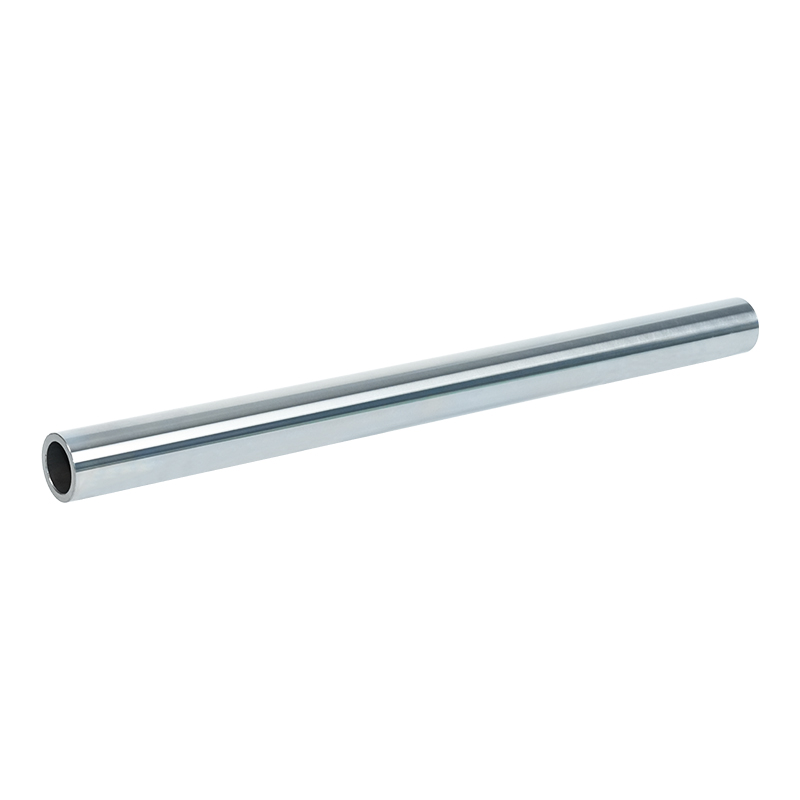 Hard Chrome Plated Piston Rod for Wear ResistanceThis piston rod features a hard chrome coating with high surface hardness, providing excellent wear resistance and durability in demanding environments. It can also be refurbished by re-plating, offering a cost-effective solution for worn rods.View Product →
A hard chrome plated piston rod is not just about surface hardness. The coating is also a practical way to refurbish used rods. If a rod is worn but still round, it can be re-plated and re-ground to the original size, which is often more cost-effective than buying a new part.
Not all hard chrome plating is identical. The difference between a rod that lasts two years and one that lasts ten often lies in a few measurable values. These are the specifications you should verify with the supplier.
| Specification | Typical Range | What It Affects |
|---|---|---|
| Coating hardness | 68–72 HRC (≈900–1100 HV) | Wear resistance and abrasion life |
| Coating thickness | 10–30 µm for standard service; 30–50 µm for heavy-duty conditions | Corrosion protection, wear margin, and overall service life |
| Surface roughness (Ra) | 0.1–0.2 µm after polishing | Seal compatibility and friction behaviour |
| Coating adhesion | No flaking or peeling in a 90° bend test | Long-term durability under dynamic loads |
| Diametrical tolerance | h7 or a narrower custom range, matching the guide and seals | Fit in the cylinder and seal performance |
When a supplier cannot state these numbers, you are buying an unknown. Ask for the test method or the internal standard behind each value. A rod that meets these ranges is more likely to deliver predictable service life.
Before any chromium reaches the steel, the rod must be machined to the correct diameter and surface finish. The plating process itself normally includes degreasing, acid cleaning, reverse etching, chromium bath deposition, rinsing, and final polishing. Each step affects the final adhesion and thickness distribution.
At an experienced manufacturer, this process is controlled with dedicated equipment. For example, CNC grinding machines and CNC polishing machines are used to achieve the required precision machining before plating. A smart environmental electroplating production line helps maintain consistent bath chemistry, which directly affects the coating hardness and uniformity. This is one reason why a rod with the same material specification can behave differently from one supplier to another.
Quality control is usually performed on a batch basis. A good supplier checks coating thickness with a magnetic thickness gauge, measures hardness on a sample, carries out an adhesion test, and may inspect for porosity. Ask for a certificate of conformance or a test report when you purchase.
Hard chrome plating is the baseline, but it is not the only option. The choice often depends on the environment and the cost target.
For marine or highly humid equipment, a duplex coating such as milky-white chrome followed by hard chrome is popular. The milky-white underlayer improves corrosion resistance, while the hard chrome top layer provides the wear surface. This combination is common for offshore and port equipment.
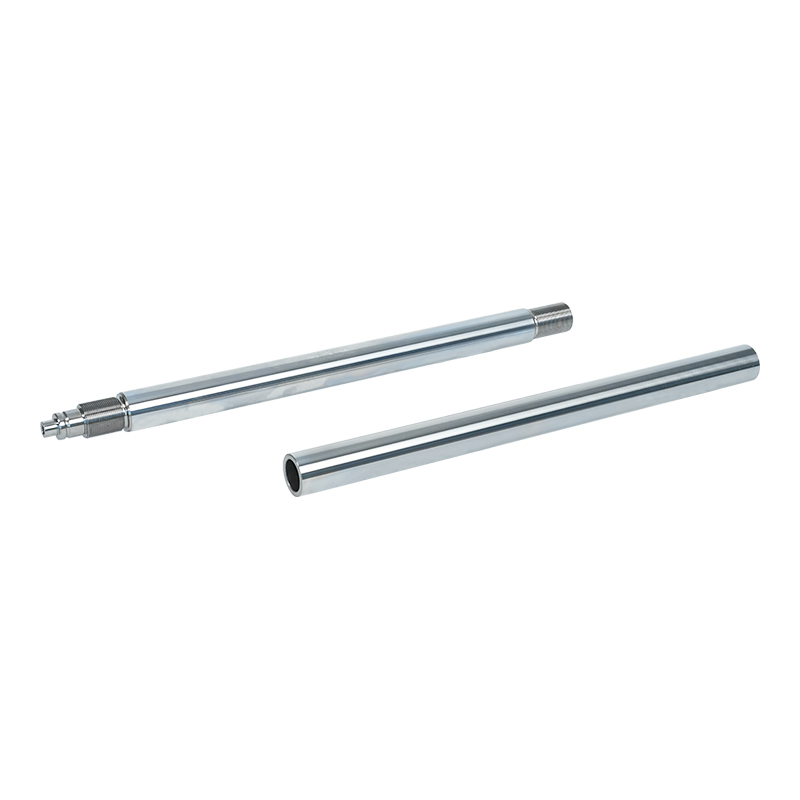 Milky White and Hard Chrome Coated Hydraulic Piston RodCombining a milky white underlayer with a hard chrome top layer, this piston rod offers improved corrosion resistance for marine or high-humidity applications, while maintaining wear resistance for reliable performance.View Product →
Another established route is nickel plus hard chromium. The nickel interlayer offers better resistance to chemical attack, especially in acidic or high-temperature environments. This coating system is often specified for mineral processing and certain hydraulic applications.
Nickel and Hard Chromium Coated Hydraulic Piston RodWith a nickel underlayer and hard chromium top layer, this piston rod provides enhanced chemical resistance in acidic or high-temperature environments, making it suitable for mineral processing and demanding hydraulic systems.View Product →
Alternatives such as ceramic coating, laser cladding, and QPQ are chosen when the application calls for even higher hardness, better thermal resistance, or a completely different surface chemistry. These are more specialized and usually more expensive than hard chrome. For many hydraulic cylinders, the price-performance balance still favours hard chrome plating.
Hard chrome plated piston rods are used wherever hydraulic or pneumatic cylinders face continuous motion and punishing conditions. The major sectors include construction machinery, mining equipment, metallurgical plants, port and ship machinery, water conservancy projects, and oilfield equipment. The common thread is high duty cycles, abrasive contamination, and exposure to the elements.
A supplier that works directly with equipment manufacturers will have a better grasp of what these industries demand. For example, a manufacturer with established relationships with leading construction machinery producers will be familiar with the tolerances and test requirements for excavator cylinders. This kind of experience shows up in the consistency of the delivered rods.
To avoid costly surprises, keep these points in mind.
First, define the working environment. Is the cylinder exposed to seawater, acidic mine water, or high humidity? The answers decide the coating thickness and whether a single hard chrome layer is enough.
Second, specify the tolerance. Hard chrome plating adds a measurable thickness to the rod. If you need a finished diameter of 40 mm, the plating thickness must be included in the grinding allowance. This is where experienced suppliers save you time.
Third, look at documentation. A reliable rod maker should be able to provide material certificates, plating thickness reports, and quality system certification such as ISO 9001 and ISO 14001. These certifications indicate that the supplier has a controlled, repeatable process.
Fourth, consider total cost, not unit price. A rod with thicker chrome and a polished finish may cost more upfront but can extend service life by several times. In heavy machinery, a single unplanned repair can easily exceed the initial cost saving from a cheaper rod.
Finally, confirm production capacity. If you need a steady supply of piston rods, ask about the supplier's factory size and production planning. A manufacturer with a larger facility and a multi-step process chain can provide more reliable lead times.
Choosing a hard chrome plated piston rod is not an exercise in picking the lowest price. It is about matching the coating to your working conditions and trusting a partner with real process control. When the rod is plated correctly, it becomes the silent component that keeps your hydraulic system running day after day.

Contact Us
+86-137-0618-5800
No. 3 Dujuan West Road, Hudai Town, Binhu District, Wuxi City, Jiangsu Province
Get in Touch
Mobile

 English
 русский
 Deutsch